
This post may contain affiliate links. Please read my disclosure for more information.
When we would go on family vacation and it was time to go back home my grandparents would take any small amount of food left with them.
It didn’t matter if it was 1/4 cup of oatmeal, they were not going to throw it away. And that’s because they lived through the Great Depression.
There’s no frugal living tips like the ones that were adopted back then. Your life depended on your ability to make good with very little.
People used to stretch every dollar and make things last during tough times like the Great Depression.
They had smart ways to save money that worked really well. Many of these old tricks can still help you save hundreds of dollars today.
These time-tested methods can cut your spending on food, household items, and daily expenses without making your life harder.
Your grandparents knew how to fix things instead of buying new ones. They grew their own food and cooked at home. They also found creative ways to reuse items around the house.
You don’t need to live like it’s 1940 to use these ideas. Simple changes like making your own cleaning products, eating leftovers, and fixing clothes can add up to big savings.
These extreme frugality tips will show you how to spend less on everything from groceries to entertainment while still living a good life.
The Foundation of Frugal Living

Building a solid foundation for frugal living starts with changing how you think about money and possessions.
The lessons from past generations show us that true frugality comes from developing the right mindset and creating habits that last. And its not just about money saving hacks.
Adopting a Frugal Mindset
Your journey toward frugal living begins with shifting your perspective on what you truly need versus what you want. This mental change is the most important step you can take.
Start by questioning every purchase. Ask yourself if the item will add real value to your life or if it’s just an impulse buy. This simple habit can save you hundreds of dollars each year.
Think abundance, not scarcity. Frugal living isn’t about feeling deprived. It’s about making smart choices with your resources. When you reuse items or cook from scratch, you’re being creative and resourceful.
Focus on experiences rather than things. Spending time with family, learning new skills, or enjoying nature costs very little but brings lasting happiness. It helps make saving money not as much of a challenge.
Practice gratitude for what you already own. When you appreciate your current possessions, you feel less pressure to buy new items. This mindset shift makes frugal living feel natural instead of forced.
More reading:
- How to Save $5,000 in 6 Months
- How Much Money You Should Save Each Month
- 9 Cash Envelope Categories for Budgeting
Learning from the Great Depression
The Great Depression taught people valuable lessons about making every dollar count. These frugal living tips from that era still work today and can transform your finances.
Families during this time mastered the art of “making do.” They repaired clothes instead of buying new ones. They grew their own food and preserved it for winter. They reused everything possible.
People shared resources with neighbors. They borrowed tools, traded skills, and helped each other through tough times. This community spirit and frugal habits reduced costs for everyone.
Key Depression-era practices you can use today:
- Buy only what you absolutely need
- Fix things instead of replacing them
- Use items until they’re completely worn out
- Share resources with others
- Save every penny possible
The frugal lifestyle during this period wasn’t optional. It was survival. Today, you can choose to adopt these same methods to build wealth and financial security.
Building Long-Term Habits
Creating lasting frugal living habits takes time and consistency. Start small and gradually add new money-saving practices to your routine.
Begin with one area of spending. Focus on groceries, utilities, or entertainment for a month. Once that becomes second nature, add another frugal habit.
Track your progress by making a budget. Write down how much you save each week. Try any of these 21 budget printables to help yourself.
Seeing real numbers motivates you to keep going and shows the power of your new frugal lifestyle to help you save money fast.
Make it automatic. Set up systems that support your goals. Pack lunches the night before. Create meal plans on Sundays. Schedule time for mending clothes or tending your garden.
Celebrate small wins. When you save money by cooking at home or fixing something yourself, acknowledge your success. These positive feelings reinforce your new habits.
Remember that building a frugal foundation is like growing a garden. It takes patience, but the rewards multiply over time. Your future self will thank you for the choices you make today.
Need to buy presents for loved ones? Try these cheap gift ideas.
Great Depression Frugal Living TIps that Will Help You Today
These timeless tips for frugal living will help you better manage your money.
1. Repair Before Replacing
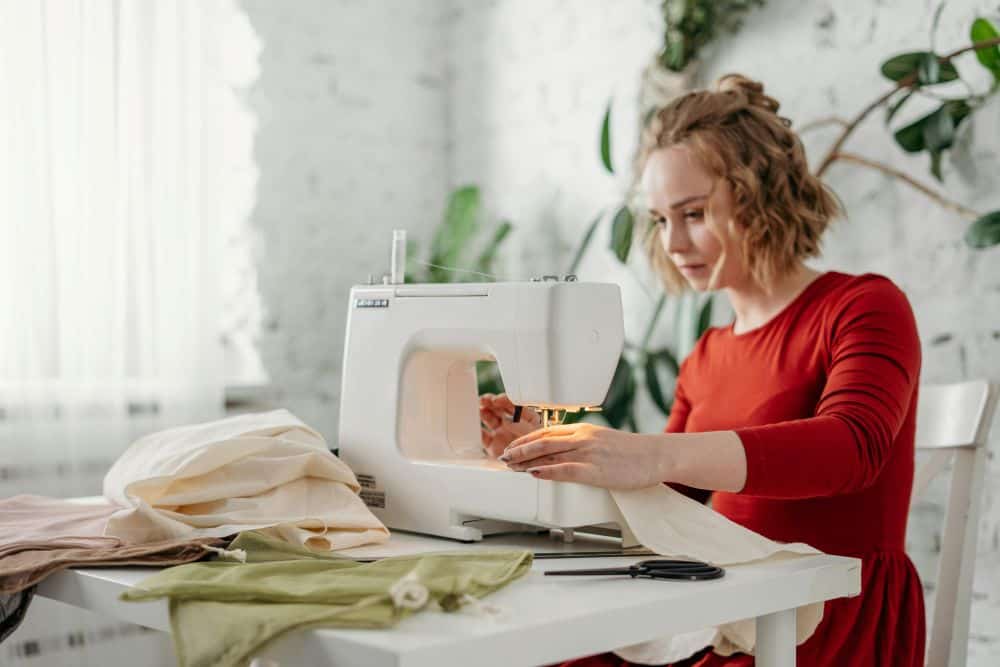
People in the past had a simple rule: fix it before you throw it away. When something broke, they grabbed their tools instead of their wallets.
Your grandparents knew how to mend socks, patch tires, and fix furniture. They learned basic repair skills because buying new items wasn’t always an option.
Common items you can repair instead of replace:
- Torn clothing with needle and thread
- Loose chair screws with a screwdriver
- Broken zippers with pliers
- Frayed phone cables with electrical tape
- Wobbly tables by tightening bolts
Start a “Saturday Fix” routine. Set aside one hour each weekend to tackle broken items. Lay out everything that needs fixing and work on the easiest repairs first.
Before you toss any broken item, ask yourself three questions:
- Can I fix this myself?
- Would a simple repair extend its life?
- Is the repair cost less than buying new?
Basic tools every household needs:
- Screwdriver set
- Hammer
- Needle and thread
- Super glue
- Duct tape
This super cute tool set will help you get started.
Learning to repair things saves you money and reduces waste. Even if a repair only adds six months to an item’s life, that’s six months you didn’t spend money on a replacement.
You don’t need to be an expert. Simple fixes like sewing buttons or tightening screws can make old items work like new again and help you maintain a frugal lifestyle.
2. Mend and Extend Clothing
Your grandparents knew something we’ve forgotten. They fixed clothes instead of tossing them out.
A basic sewing kit was as common as a coffee maker. Every home had needles, thread, and patches ready to go.
Simple repairs can save you hundreds of dollars. That $50 pair of jeans could last years longer with basic mending skills.
Americans throw away about 81 pounds of clothing each year. Most of these clothes just need small fixes.
You can learn basic mending in one afternoon using online videos. Start with these easy repairs:
- Sewing on buttons
- Patching small holes
- Fixing loose hems
- Darning socks
Before fast fashion existed, people expected clothes to last for years. They treated clothing as an investment, not something disposable.
A small hole doesn’t mean your favorite sweater is ruined. With a needle and thread, you can extend its life significantly.
Even if you’re not crafty, basic repairs require minimal skill. The hardest part is just getting started.
Modern sewing tutorials make learning easier than ever. You don’t need fancy equipment or years of practice to handle basic fixes.
The money you save by mending adds up quickly. Plus, you’ll feel good about reducing waste and keeping useful items out of landfills.
3. Repurpose Common Household Items
Your grandparents never threw away items that could serve another purpose. They turned everyday objects into useful tools around the house.
Glass jars make perfect storage containers. Use old pickle or jam jars to store leftovers, organize screws in your garage, or create flower vases. Clean them well and remove labels for the best look.
Old t-shirts and sheets become cleaning rags when they’re too worn to use. Cotton fabric works best because it absorbs water well. Cut them into squares and store in a basket under your kitchen sink. You’ll save a ton of money on paper towels!
Transform plastic containers like yogurt tubs or sour cream containers into lunch boxes or storage for small items. They’re perfect for organizing your craft supplies or keeping garden seeds sorted.
2-liter bottles turn into bird feeders or planters. Cut holes in the sides for birds to access seeds. For plants, cut the top off and poke drainage holes in the bottom.
Paper grocery bags work as gift wrap. Your kids can decorate them with markers or stamps to make them special. They’re also great for covering school books.
Aluminum foil and plastic bags can be reused many times. Wash plastic bags and turn them inside out to dry. Fold clean foil neatly and store it for your next cooking project.
Before you throw anything away, ask yourself if it could solve a problem around your house. This simple question can save you money and reduce waste.
4. Grow Your Own Food
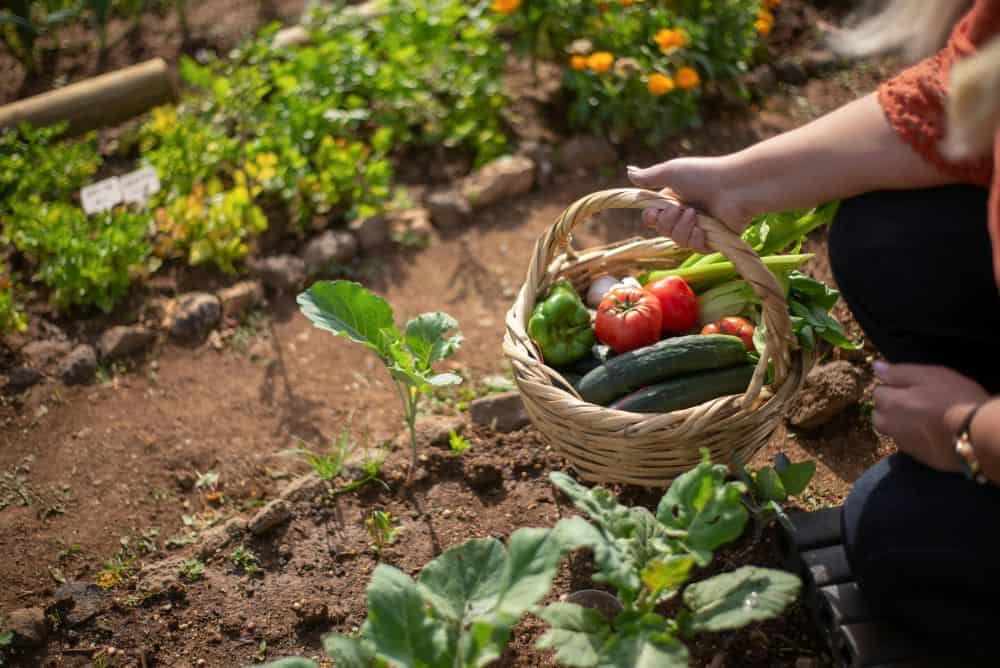
Growing your own food was a smart way people saved money in the past. This old habit still works great today. You can cut your grocery bills and enjoy fresh produce right from your yard.
Plus, the thing about this frugal living tip is it also helps you get healthier. You can avoid dangerous chemicals and hormones that grocery-store bought foods have in them.
You just might improve your health and longevity by adopting this lesson on extreme frugality! Frugal food hacks often have multiple benefits.
You don’t need a big yard to start. A few pots on your porch work just fine. Even small spaces can grow herbs, lettuce, or tomatoes. Start simple and build your skills over time.
Easy plants for beginners:
- Lettuce and spinach
- Herbs like basil and mint
- Radishes
- Tomatoes
- Peppers
These plants grow fast and don’t need much care. You can learn as you go and try new things each season.
Your homegrown food tastes better than store-bought. Plus, you know exactly what goes into growing it. No mystery chemicals or long shipping times.
Money-saving benefits:
- Fresh herbs cost $3 at the store but pennies to grow
- One tomato plant can give you pounds of fruit
- Seeds cost much less than buying produce all season
Gardening also gets you outside and moving. It’s good for your body and mind. Kids love helping too, which makes it a fun family activity.
If you live in an apartment, try vertical gardens or hanging planters. Many cities have community gardens where you can rent a small plot. Window boxes work great for herbs and small plants.
Start with just one or two plants this season. Once you see how much you can save, you’ll want to grow more.
And for any foods you do have to buy, stick to these cheapest foods to save your budget.
5. Grow Your Own Herbs

Growing herbs saves money and gives you fresh flavors all year long. Your grandparents grew herbs in small pots and window boxes during tough times.
You can start an herb garden anywhere. A sunny windowsill works great for beginners. Most herbs need well-drained soil and warm sunlight.
An indoor herb kit like this one will help you get started.
Best Herbs for Beginners:
- Basil
- Mint
- Cilantro
- Parsley
- Oregano
These herbs are easy to grow and hard to kill. You can buy small plants or start from seeds.
Put your herb pots near a kitchen window. This makes it easy to grab fresh herbs while cooking. Water them when the soil feels dry.
Fresh herbs cost a lot at the store. A small basil plant gives you herbs for months. You save money and get better flavor than dried herbs.
Simple Care Tips:
- Water when soil is dry
- Pinch off flowers to keep leaves growing
- Cut stems often to help plants grow
Many herbs grow back after you cut them. Mint spreads quickly and fills up pots. Basil gives you new leaves when you trim the stems.
You can dry extra herbs for winter. Hang small bunches in a warm, dry place. Store dried herbs in jars.
Container gardening works well in small spaces. Use pots that are at least 6 inches deep. Make sure pots have drainage holes at the bottom.
This old method of growing herbs still works today. Start with one or two easy herbs and add more as you learn.
6. Homemade Meals vs. Eating Out
Your grandparents knew something important about money. They cooked most meals at home instead of eating out.
The math is simple. Eating out costs $15 per day on average. That adds up to $75 per week and $3,750 per year.
Compare that to homemade meals. A lunch made at home costs about $2. That’s only $10 per week or $500 per year. Packing a lunch for work instead of going out to eat could help you save a ton of money!
You save over $3,000 annually by cooking at home instead of eating out for lunch alone.
| Meal Type | Daily Cost | Weekly Cost | Annual Cost |
|---|---|---|---|
| Eating Out | $15 | $75 | $3,750 |
| Homemade | $2 | $10 | $500 |
| Savings | $13 | $65 | $3,250 |
Your homemade meals also give you more control. You choose the ingredients and portion sizes. This means healthier food and better nutrition.
Planning makes home cooking easier. Shop for groceries once per week. Prepare meals ahead of time when possible.
Use leftovers creatively. Turn extra ground beef from burgers into tacos or pasta sauce. Use burger buns for sandwiches later.
Simple tools help too. Slow cookers and instant pots make cooking faster and easier. You can prepare meals while doing other tasks.
The convenience of eating out seems nice. But the money you save by cooking at home adds up quickly. Your wallet and your health both benefit.
7. Meal Plan
Your grandmother knew something important about saving money. She planned her meals around what she already had in the pantry. This simple habit can cut your grocery bill in half and help you lose weight!
Start by checking what food you have at home first. Look in your fridge, freezer, and cabinets. Write down what you find.
Plan meals around sales and seasons. If chicken is on sale this week, plan three chicken meals. When apples are cheap in fall, make apple dishes.
Try these vegetarian meal prep ideas for a start.
Create a simple weekly plan like this:
| Day | Main Dish | Use Up |
|---|---|---|
| Monday | Chicken soup | Leftover vegetables |
| Tuesday | Rice and beans | Canned tomatoes |
| Wednesday | Pasta | Ground meat from freezer |
Make a shopping list based on your plan. Only buy what you need for the meals you planned. This stops you from buying extra food that goes bad.
Cook simple meals with basic ingredients. Your great-grandmother made filling dinners with just a few items like potatoes, onions, and whatever meat was affordable.
Use leftovers in new ways. Sunday’s roast chicken becomes Monday’s chicken soup and Tuesday’s chicken sandwiches.
Plan for one or two backup meals using shelf-stable foods. Pasta with canned sauce or rice and beans work well when plans change.
Keep your meal planning simple. You don’t need fancy apps or complicated systems. A piece of paper and pencil work just fine.
8. Make Your Own Salad Dressings
Store-bought salad dressings cost way more than they should. You can make better ones at home for much less money.
Basic vinaigrette needs just three things: oil, vinegar, and spices. Use a 3:1 ratio of oil to vinegar.
Olive oil works best as your base. You can find good bottles for $7 to $9 that last about a month. Extra virgin olive oil gives the best flavor.
For vinegar, try these options:
- Balsamic vinegar – sweet and rich
- Red wine vinegar – tangy and bold
- Apple cider vinegar – mild and fruity
Add spices to make your dressing special. Salt, pepper, garlic powder, and herbs work great. Try spice blends from the store for new flavors.
Making it is simple. Pour oil and vinegar right on your salad. Sprinkle spices on top. Mix everything with your hands.
Want to make a bigger batch? Mix everything in an old dressing bottle. Shake it up before each use.
Your homemade dressing doesn’t need the fridge. All the ingredients stay fresh on the shelf.
You can make a month’s worth of dressing for about $15. That’s much cheaper than buying bottles from the store.
Different vinegars and spices let you create new flavors. You control what goes in, so it’s healthier too.
9. Take Your Lunch to Work
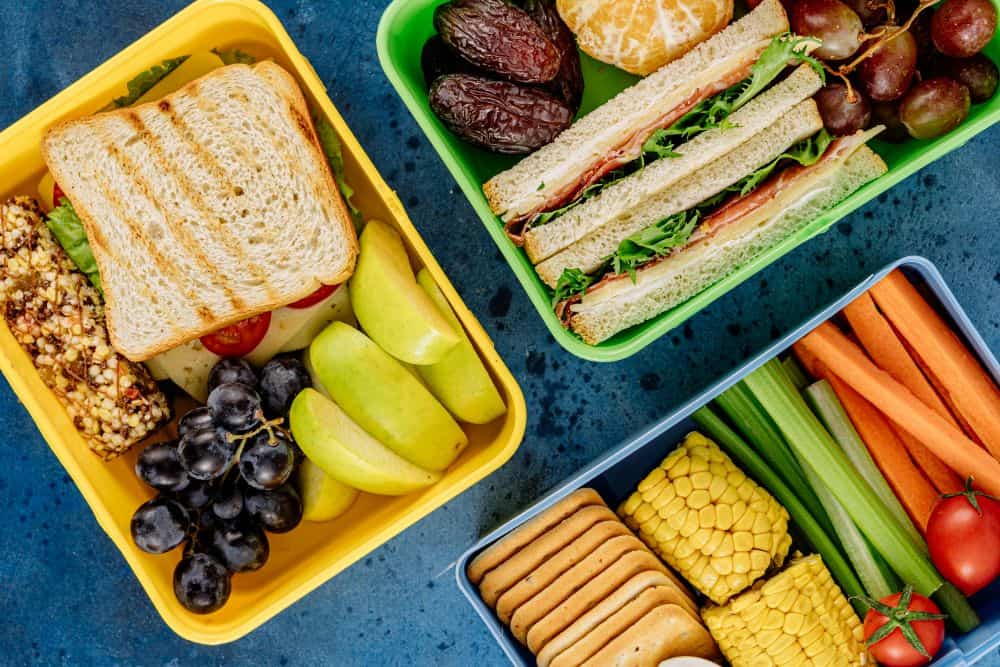
Packing lunch was normal for past generations. They knew eating out was expensive and wasteful.
The math is simple. If you spend $15 daily on lunch, that adds up to $75 per week. Over 50 weeks, you’re looking at $3,750 per year.
Bringing lunch from home can save you $5-$7 each workday. With 260 workdays in a typical year, the savings really add up.
Your grandparents made simple lunches work. They used leftovers from dinner or made basic sandwiches with whatever they had at home.
Easy lunch ideas:
- Leftover soup or stew
- Sandwiches with homemade ingredients
- Hard-boiled eggs with crackers
- Simple salads with fresh vegetables
Meal prep makes packing lunch even easier. Spend Sunday afternoon preparing several meals at once. Store them in containers you can grab and go.
Packing lunch also helps you eat healthier. You control the ingredients and portions instead of relying on fast food or restaurant meals.
Helpful Meal Prepping Tools:
- Snapware Plastic Meal Prep Food Storage This is a 5-piece set for only $12.99! Plus, they are BPA Free, Microwave, Freezer and Dishwasher Safe
- Snapware Glass Food Storage Container If you prefer a more heavy-duty meal storage container you can opt for this glass version
- Ziploc Freezer Bags If you are planning out your meal prep for longer than a week these freezer bags will help
- Easy Lunch Boxes – 3 Compartment Bento These are perfect for keeping different parts of your meal separated but still in one container to take to work or school
- 2 & 3 Compartment Glass Meal Prep Containers This is a nice set of 4 containers that are glass and include both 2 and 3 compartment options
Start small by packing lunch just two days per week. Once it becomes a habit, you can pack lunch every day. Your wallet will thank you for this simple change.
10. Drink Water
People in the Great Depression era knew something smart about water. Water is free! Plus, they drank from the tap instead of buying bottles.
Bottled water costs add up fast. A single bottle can cost $1 or more. If you buy one bottle a day, that’s over $300 per year.
Tap water works just as well in most places. It’s safe to drink and costs almost nothing. Plus you can filter your own water.
Get a good water filter if your tap water tastes bad. You can buy:
- Pitcher filters
- Faucet filters
- Reusable bottles with built-in filters
These filters cost much less than buying bottles all the time.
Don’t waste leftover water from glasses around your house. Pour it into a container and use it to water your plants.
Carry a reusable water bottle like these when you go out. Fill it from home before you leave. This stops you from buying expensive drinks when you get thirsty.
Your great-grandparents never bought water in stores. They used what came from their well or tap. You can do the same thing today and save money fast every day!
The math is simple. Tap water costs about $0.004 per gallon. Bottled water costs around $1.22 per gallon. That’s over 300 times more expensive.
Make the switch to tap water and watch your grocery bill shrink. Your wallet will thank you every month.
11. Canning and Preserving Food
Your grandparents knew how to make food last without fancy gadgets. They used simple methods that saved money and prevented waste.
Canning lets you store fresh fruits and vegetables for months. You can preserve garden extras when they’re cheap and plentiful.
Water bath canning works great for high-acid foods like:
- Tomatoes
- Pickles
- Jams and jellies
- Fruit preserves
Pressure canning handles low-acid foods safely:
- Green beans
- Corn
- Meat
- Soup
You don’t need expensive equipment to start. A large pot, mason jars, and lids will work for water bath canning.
Drying food is another old trick that costs almost nothing. You can dry herbs, fruits, and vegetables in your oven or outside in the sun.
Root cellars kept food fresh without electricity. You can copy this idea with a cool, dark basement or garage space.
Pickling turns extra vegetables into tasty treats. All you need is vinegar, salt, and spices.
Start small with one method. Try making jam from seasonal fruit or pickles from cucumbers. Once you learn the basics, you can preserve larger amounts.
These old methods help you eat well year-round while spending less money. Your great-grandparents survived tough times using these same tricks.
12. Batch Cook for Efficiency
Your grandparents knew the secret to saving time and money in the kitchen. They cooked large amounts of food at once to feed their families all week long.
Batch cooking means making big portions of meals that last several days. This old-fashioned method cuts your grocery bills and saves hours each week.
Start with simple, cheap ingredients that store well:
- Rice and beans
- Seasonal vegetables
- Chicken thighs or other affordable meat
- Pasta and grains
Cook one big pot of chili, stew, or soup on Sunday. These meals taste better the next day and freeze perfectly. You can eat different portions throughout the week without getting bored.
Use your slow cooker or pressure cooker to make the process easier. These tools help you cook large amounts without watching the stove all day.
Store your batch meals properly to keep them fresh. Put portions in airtight containers or freezer bags. Label everything with dates so you know what to eat first.
| Storage Method | Best For | Lasts |
|---|---|---|
| Refrigerator | Soups, stews | 3-4 days |
| Freezer | Casseroles, chili | 2-3 months |
| Pantry | Rice, beans | Several meals |
Plan your batch cooking around sales at the grocery store. Buy ingredients in bulk when prices drop. This doubles your savings and gives you more food to work with.
Start small with one or two recipes. Once you get comfortable, you can batch cook multiple meals in one afternoon.
13. Eat Leftovers
Your grandparents never threw away food. They turned yesterday’s dinner into today’s lunch without thinking twice about it. Frugal habits like these will help you save big money.
Eating leftovers saves you real money. When you use all the food you buy, you get more value from every dollar spent at the store.
Simple ways to eat leftovers:
- Pack them for lunch the next day
- Heat them up for a quick dinner
- Mix them into new dishes
You can make leftovers taste different by adding new spices. Try putting leftover chicken in a sandwich or soup. Mix yesterday’s vegetables into scrambled eggs.
Creative leftover ideas:
- Turn roast beef into sandwiches
- Add leftover rice to soups
- Make omelets with extra vegetables
- Use leftover pasta in salads
Many people think leftovers are boring. But they don’t have to be if you get creative with them.
Store your leftovers in clear containers so you remember to eat them. Put them in the front of your fridge where you can see them easily.
Most leftovers stay good for 3-4 days in the fridge. Label them with dates so you know when to use them up.
This old habit helped families stretch their food budget for generations. It still works just as well today when groceries cost more than ever.
14. Buy Bulk

Your grandparents knew something smart about shopping. They bought items in large amounts when prices dropped low.
This old trick still works today. You can save money by buying bulk items you use often.
Focus on things that don’t go bad quickly:
- Rice and oats
- Pasta and flour
- Canned goods
- Paper towels
- Toilet paper
- Cleaning supplies
Check the unit price before you buy. Sometimes the big package costs more per pound than the small one.
Only buy bulk if you will really use it all. A 50-pound bag of flour won’t save money if half goes bad.
Share with friends if the bulk size is too big for your family. Split that huge bag of oats with your neighbor.
Membership stores like Costco offer good bulk deals. But compare prices first. Your regular grocery store might have better sales.
Store your bulk items properly. Use sealed containers for grains and flour. This keeps bugs out and food fresh longer.
Plan your storage space before you shop. That giant pack of paper towels needs somewhere to live in your home.
Start small with bulk buying. Pick one or two items you use most. See how much you save before buying more things in bulk.
The key is buying what you actually need in larger amounts. This simple habit helped families save money decades ago and it still works now.
15. Buy Used
Another timeless frugal tip is the value of buying used items. People in the past shopped at second-hand stores before it became trendy.
Why buying used saves money:
- Items cost 50-80% less than new
- You avoid paying full retail prices
- Many used items still have years of life left
You can find quality used items almost anywhere. Thrift stores, garage sales, and online marketplaces offer great deals. Sites like Offer Up provide a lot of thrifting opportunities.
Plus, you can actually sometimes flip these items and resell them for a profit! Money making hacks like this can increase your budget.
Best used items to buy:
- Furniture and home decor
- Children’s clothes and toys
- Books and kitchen appliances
- Tools and gardening equipment
- Cars and electronics
Check items carefully before buying. Look for damage, wear, or missing parts. Test electronics to make sure they work.
Clothes are perfect for buying used. Kids grow fast, so their clothes barely get worn. You can find name-brand items for a few dollars.
Used furniture often has better quality than new budget pieces. Older furniture was built to last longer than today’s items. Here are the best sites to buy and sell used furniture on.
Smart shopping tips:
- Visit thrift stores regularly for best selection
- Ask about discount days or sales
- Bring measurements when shopping for furniture
- Check return policies before buying
Your wallet will thank you for buying used. You get what you need without paying high prices. Many used items work just as well as new ones.
16. Sell Things You Don’t Use

One of the best frugal living tips actually involves making more money! Instead of letting unused items sit around your house, sell them for extra cash.
This old tip from the past of selling your stuff works even better today. You can sell things online through apps and websites. People buy used items all the time now.
What to sell first:
- Clothes you don’t wear
- Books you won’t read again
- Kitchen gadgets you never use
- Old electronics that still work
- Toys your kids outgrew
Start by looking in your closets and drawers. You probably have items worth $20 to $100 each. Small amounts add up fast.
Best places to sell:
- Facebook Marketplace
- eBay for specialty items
- Poshmark for clothes
- Local consignment shops
- Garage sales for bulk items
Take good photos of your items. Write simple descriptions. Price things fairly to sell them quickly.
This habit does two good things at once. You make extra money and clear out space in your home. Your house feels less crowded when you get rid of stuff.
Don’t hold onto broken items hoping to fix them someday. If it’s been sitting for months, sell it or donate it.
The money you make can go toward paying bills or building savings. Even $200 from selling old things can help your budget.
17. Use DIY Cleaning Products
Your grandmother knew something we forgot. She could clean her entire house with just a few simple ingredients from her kitchen.
Making your own cleanering products can cut your cleaning costs by up to 95%. That’s huge savings compared to store-bought products.
Basic ingredients you need:
- White vinegar
- Baking soda
- Lemon juice
- Dish soap
- Water
These five items can replace almost every cleaner in your home. You probably already have most of them.
Simple recipes that work and save money:
| Cleaner Type | Recipe |
|---|---|
| All-purpose spray | Mix equal parts water and vinegar |
| Glass cleaner | 1 cup water + 1/4 cup vinegar + 2 drops dish soap |
| Scrubbing paste | Baking soda + small amount of water |
| Toilet bowl cleaner | Pour vinegar in bowl, add baking soda |
Vinegar cuts through grease and kills germs. Baking soda scrubs away tough stains. Lemon juice removes soap scum and adds a fresh smell.
These homemade cleaners are safer for your family too. No harsh chemicals or strong fumes to worry about.
Start with one or two recipes. Once you see how well they work, you can replace more store-bought cleaners.
Your great-grandmother raised her family with these same ingredients. They’re time-tested and budget-friendly solutions that still work today.
18. Take Advantage of the Library
Your local library offers way more than just books. It’s a hidden goldmine for saving money that many people forget about.
Free Entertainment and Media
You can borrow movies, music CDs, and audiobooks without paying streaming fees. Many libraries also offer free access to digital content and e-books through apps.
Learning and Skills
Libraries provide free classes on everything from computer skills to crafts. You can learn new hobbies or job skills without expensive course fees.
Technology Access
Need to print documents or use a computer? Libraries offer free internet, printing, and computer access. This saves you money on home office equipment.
Research and Reference
Skip expensive online subscriptions. Libraries give you free access to databases, newspapers, and research materials that normally cost money.
Community Programs
Many libraries host free events like movie nights, book clubs, and guest speakers. These activities cost nothing but provide great entertainment.
Study and Work Space
Use the library as your free office space. You get quiet rooms, free Wi-Fi, and no utility bills. It’s perfect for students or remote workers.
Ask a Librarian
Library staff can help you find exactly what you need. They know about resources you might not discover on your own. This personal help comes at no extra cost.
Visit your library today and see what money-saving options they offer.
19. Shop at Thrift Stores
People in the past knew thrift stores were gold mines for saving money. They made weekend trips to find great deals on clothes, furniture, and household items.
Start with these popular thrift stores:
- Goodwill
- Salvation Army
- Local charity shops
You can find quality items at a fraction of retail prices. The key is knowing how to shop smart. Plus, you can flip items for profit and make yourself some easy extra cash.
Go often and be patient. New items arrive daily, so regular visits help you spot the best deals. Weekend mornings are usually the best times to shop.
Check items carefully before buying. Look for stains, tears, or missing parts. Quality items last longer and give you better value.
Focus on these high-value finds:
- Designer clothes
- Vintage furniture
- Books and media
- Kitchen appliances
- Home decor
Many thrift stores have sales on certain days. Ask about discount days for different colored tags or seasonal clearance events.
Don’t be afraid to negotiate prices on larger items like furniture. Many stores will lower prices, especially if items have been sitting for weeks.
Clean and repair items when needed. A good washing or minor fix can make thrifted items look brand new. This lets you get even more value from your purchases.
Thrift shopping takes practice, but it becomes easier over time. You’ll learn which stores have the best selection for your needs.
20. Buy Generic
Your grandparents knew a secret that saved them real money. They bought generic brands when they could find them.
Generic products cost 20-30% less than name brands. The difference adds up fast when you shop for your whole family.
Most generic items are made in the same factories as brand names. The only real difference is the packaging and marketing costs. It is sometimes literally the exact same product for WAY less money.
You can save the most money on these generic items:
- Cleaning supplies – vinegar, baking soda, dish soap
- Basic medicines – pain relievers, allergy pills, vitamins
- Pantry staples – flour, sugar, rice, pasta
- Paper products – toilet paper, paper towels, napkins
- Personal care – shampoo, soap, toothpaste
Start small if you feel unsure. Try generic versions of items you use most often. Compare the ingredient lists between name brand and generic versions.
You might not even notice a difference in quality. Many people do blind taste tests and pick the generic option.
Some items are worth buying name brand. But for basic household goods, generic saves you money without giving up much quality.
Your great-grandparents would have loved having so many cheap generic options. They made do with even less and still lived well.
Put that extra money toward paying off debt or building your savings account.
21. Get Free Stuff

People in the past were experts at getting things for free. They knew how to find what they needed without spending money.
Why buy something when you just get it for free?
Ask friends and family first. Before buying something, tell people what you need. Someone might have it sitting unused in their garage or closet.
Check community boards. Libraries, grocery stores, and community centers often have bulletin boards. People post free items they want to give away. Nextdoor.com and Facebook are great places as well.
Look for “Buy Nothing” groups on social media. These groups let neighbors share items for free. You can find furniture, clothes, books, and household items.
Visit garage sales at closing time. Many sellers would rather give away leftover items than pack them up again. Be polite and ask if they have anything they’re giving away.
Collect free samples. Stores often give out free samples of food, beauty products, and household items. Your grandparents never passed up a free sample. Here’s a list of the best freebie sites where you can score these items.
Use the library for more than books. Libraries offer free movies, music, magazines, and even tools in some areas. They also host free events and classes.
Check online classified ads. Look for “free” sections on websites where people list items they want to get rid of quickly.
Trade skills for items. Offer to help someone move or do yard work in exchange for things you need. This was common practice decades ago.
22. Trade and Barter
People in the past traded goods and services instead of always using money. This old practice can help you save cash today.
You can swap skills with your neighbors. Maybe you bake cookies while your neighbor fixes bikes. Trade your homemade bread for their car repair work.
What You Can Trade:
- Fresh garden vegetables
- Homemade baked goods
- Skills like sewing or painting
- Time helping with yard work
- Baby-sitting services
- Computer help
Start by making a list of what you can offer. Think about your hobbies and talents. Then ask friends what they need help with.
Your extra stuff has value too. Trade clothes your kids outgrew for toys they need now. Swap books you finished reading for new ones to enjoy.
Benefits of Bartering:
- No money changes hands
- Builds friendships with neighbors
- Uses items that might go to waste
- Saves money on services you need
Online groups make trading easier than ever. Join local Facebook swap groups or neighborhood apps. Post what you have and what you want.
Make sure trades feel fair to both people. Nobody should feel like they got a bad deal. Good trades leave everyone happy.
Before you buy something new, ask yourself if you could trade for it instead. This simple question can save you money while helping others in your community.
23. Share and Borrow
Your grandparents knew a secret that saved them tons of money. They shared tools and borrowed items instead of buying everything new.
Back then, neighbors worked together. One person owned a ladder, another had a lawnmower. Everyone shared what they had.
You can start this habit today. Make a list of expensive items you rarely use. Think about power tools, kitchen gadgets, or cleaning equipment. Why spend money on something you will likely use only a couple of times?
Talk to your neighbors about sharing these items. You might be surprised how willing people are to help.
Here are common items perfect for sharing:
- Lawn equipment – mowers, trimmers, leaf blowers
- Tools – drills, saws, ladders
- Kitchen items – stand mixers, pressure washers, carpet cleaners
- Holiday decorations – lights, inflatables, specialty items
Set up simple rules that work for everyone. Return items clean and on time. Fix anything you break. Be respectful when asking to borrow.
You can create a neighborhood group chat or spreadsheet. List who owns what and when items are available.
Start small with one or two trusted neighbors. As people see how well it works, more will join in.
This old habit saves you money in two ways. You avoid buying expensive items you rarely need. You also build stronger relationships with the people around you.
Your wallet will thank you, and you might make some great friends too.
24. Reduce Utility Bills
Your grandparents knew how to keep utility costs low without fancy gadgets. These simple tricks can cut your bills today.
Turn off lights when you leave a room. This basic habit saves money on electricity. Your parents did this naturally.
Use natural climate control methods first. Open windows for cool air in summer. Close curtains to block hot sun during the day.
Fix leaks right away. A dripping faucet wastes water and money. Your grandparents fixed these problems quickly.
Unplug devices when you’re not using them. TVs, computers, and phone chargers use power even when turned off. This adds up over time.
Wash clothes in cold water when possible. Most modern detergents work well in cold water. You’ll save on heating costs.
Take shorter showers to reduce water and heating bills. Set a timer for five minutes. Your great-grandparents often bathed just once a week.
Use thick curtains or blankets for extra insulation in winter. Hang them over windows to keep warm air inside. This old trick still works.
Run dishwashers and washing machines only when full. Partial loads waste water and energy. Plan your loads ahead of time.
Check your home for drafts around doors and windows. Use weather stripping or towels to block cold air. Small gaps waste a lot of heat.
These methods worked decades ago and still save money today.
25. Cancel Subscriptions
Your grandparents never had to worry about monthly subscriptions draining their wallets. They paid for what they needed when they needed it.
Today, streaming services and apps can quietly eat up your budget. Many people spend over $100 each month on subscriptions they forgot about.
Check your bank statements for recurring charges. Look for services you don’t use anymore. That gym membership you haven’t used in months? Cancel it.
Cut Your Monthly Expenses in a Hurry
BillTrim: Let this bill negotiation service cut your monthly expenses. It will monitor and pay your bills for you!
Consumer Cellular provides the same cell service as the big guys but with no contract, no activation fee and you can keep your phone number when you switch!
Here are common subscriptions to review:
- Streaming services (Netflix, Hulu, Disney+)
- Music apps (Spotify, Apple Music)
- Fitness apps and gym memberships
- Magazine subscriptions
- Food delivery services
- Cloud storage plans
Use your phone’s settings to see all active subscriptions. On iPhone, go to Settings > Apple ID > Subscriptions. Android users can check Google Play Store > Account > Subscriptions.
Set a monthly reminder to review your subscriptions. Cancel anything you haven’t used in 30 days.
Try the one-month test. Cancel a service and see if you miss it. If you don’t notice it’s gone, you made the right choice.
Some subscription services make canceling hard on purpose. They might offer discounts to keep you. Stay strong and cancel if you don’t need it.
This old-school approach of only paying for what you actually use can save you hundreds of dollars each year.
26. Cancel Cable

People in the past saved money without cable TV for decades. You can do the same thing today.
The average cable bill costs over $100 per month. That adds up to $1,200 each year you could save.
Get an HD antenna instead. You can buy one for about $40 and use it forever. No monthly bills.
An antenna picks up local channels like ABC, CBS, NBC, and FOX for free. You get the same shows your neighbors pay for.
Here’s what you can watch with an antenna:
- Local news
- Network TV shows
- Sports games on broadcast channels
- PBS kids programs
- Weather updates
Installation is simple. Just connect the antenna to your TV with a cable cord. Move it around until you find the spot with the best signal.
Indoor antennas work well if you live close to broadcast towers. Outdoor antennas reach farther distances.
You might get 20 to 40 channels depending on your location. Many channels offer extra programming too.
Your one-time antenna cost breaks down to just $3.33 per month in the first year. After that, it’s completely free.
Smart TVs give you even more options. Most have hundreds of free channels built in. You get music, history, and news channels without paying anything.
People worried about losing their favorite channels often find they don’t miss cable at all. Local channels provide plenty of entertainment.
27. Use Coupons
Your grandparents clipped coupons from newspapers every Sunday. This simple habit saved them real money on groceries and household items.
Modern couponing works just as well today. You can find digital coupons on store apps and websites. Many retailers send discount codes to your email or phone.
Paper coupons still exist too. Check your mail for local store flyers. Newspapers often include coupon inserts on weekends.
Here are easy places to find savings:
- Store apps – Download apps for places you shop regularly
- Email newsletters – Sign up for your favorite brands
- Cashback apps – Use apps that give money back on purchases
- Loyalty programs – Join free programs at stores you visit often
You don’t need to spend hours hunting for deals. Start small by checking for coupons before big shopping trips. Just make sure you use them by the expiration date.
Stack your savings by using store coupons with manufacturer coupons. Many stores allow this practice. Some apps let you add digital coupons to your loyalty card automatically.
Keep track of expiration dates. Set reminders on your phone so you don’t miss good deals.
The key is making coupons part of your routine. Check for discounts before you buy anything over $20. Even small savings add up over time.
Your wallet will thank you for bringing back this old-fashioned money-saving trick.
28. Use Cashback Apps
Digital coupons and cashback apps bring the old-school savings habit into the modern world. You can earn money back on purchases you already make every day.
Popular apps like Rakuten, Ibotta, and Fetch Rewards give you rebates on groceries and online shopping. These apps are free to download and easy to use.
Rakuten works great for online purchases. You shop through their website or app and get a percentage back on your order.
Ibotta focuses on grocery stores and everyday items. You scan receipts after shopping to earn cash back on specific products.
Check out this comparison of ibotta vs. Rakuten.
Fetch Rewards lets you scan any receipt to earn points. You can turn those points into gift cards or cash.
Here are the top cashback apps to try:
- Rakuten – Best for online shopping
- Ibotta – Great for groceries
- Fetch Rewards – Works with any receipt
- Honey – Finds coupon codes automatically
- RetailMeNot – Offers in-store and online deals
You can save $10 to $20 per month with regular use. Some people earn over $200 per year just by using these apps for normal shopping.
The key is picking one or two apps and using them regularly. Download them before your next shopping trip and start earning money back on things you buy anyway.

Our Favorite Cash Back App
Rakuten: Make cash back on all your online shopping. Get a $50 bonus with your first shopping cart!
29. DIY Beauty Treatments
Women in the past made their own beauty products from simple ingredients. They had to be creative with what they had at home.
You can use castor oil on your eyelashes before bed. This helps make them thicker and longer. Apply it with a cotton swab to the ends of your lashes.
Kitchen ingredients work great for beauty treatments. Try these simple ideas:
- Honey as a face mask to soften skin
- Oatmeal mixed with water for gentle scrubs
- Baking soda to whiten teeth
- Olive oil as a hair treatment
In the past people used cold cream made from simple oils and wax. You can make similar moisturizers at home for much less money than store brands.
Sugar scrubs are easy to make. Mix sugar with a little oil to remove dead skin. This costs pennies compared to fancy spa products.
Rice water was a popular hair rinse in many cultures. Save the water after cooking rice and use it to make your hair shiny.
Milk baths were common for soft skin. Add a cup of milk to your bath water. The natural acids help smooth rough areas.
You can create face masks from mashed bananas or avocados. These ingredients are much cheaper than expensive creams but give similar results.
Many beauty secrets from the past work just as well today. The best part is that most ingredients are already in your kitchen.
30. At Home Manicures
Your grandparents never spent money at nail salons. They took care of their nails at home using simple tools and tricks.
You can save hundreds of dollars each year by doing your own manicures. A basic nail kit costs less than two salon visits.
Start with these basic supplies:
- Nail file
- Cuticle pusher
- Base coat and top coat
- A few nail polish colors
Soak your hands in warm, soapy water for five minutes. This softens your cuticles and makes them easier to push back.
File your nails in one direction only. Going back and forth can cause splits and breaks.
Money-saving tips for nail care:
- Use white vinegar as a nail dehydrator before polish
- Apply thin coats of polish instead of thick ones
- Store nail polish in the fridge to make it last longer
- Use a toothpick to clean up mistakes around the cuticle
You don’t need expensive tools. A clean toothbrush works great for scrubbing nails. An old makeup brush can apply cuticle oil.
Make your own cuticle oil by mixing olive oil with a drop of lemon juice. This costs pennies compared to store-bought versions.
Practice makes perfect with at-home manicures. Your first attempts might not look salon-perfect, but you’ll improve quickly.
The money you save adds up fast. Most people spend $30-50 per salon visit. Doing it yourself costs under $5.
31. Make Homemade Gifts

People in the past didn’t run to stores for every gift. They made presents with their own hands. This saved money and showed real care.
Homemade gifts cost much less than store-bought items. You only pay for materials, not fancy packaging or brand names.
Your friends and family will love getting something you made just for them. It shows you spent time thinking about what they would like.
Simple Gift Ideas You Can Make:
- Baked goods – cookies, bread, or jam
- Knitted items – scarves, hats, or mittens
- Photo albums with family pictures
- Herb gardens in small pots
- Handmade soaps or candles
- Painted picture frames with family photos
You don’t need special skills to start. Pick something simple that matches what the person likes.
Use what you already have at home first. Old fabric can become a quilt. Empty jars work great for homemade candles or food gifts. If you haven’t opened a gift from someone else you can also regift.
Kids love helping make gifts too. They can paint, glue, or help bake cookies. This teaches them that gifts don’t have to cost a lot of money.
Start making gifts early so you don’t feel rushed. Keep a box of supplies like ribbon, paper, and small containers ready for gift-making.
The best part is that homemade gifts never go out of style. People kept doing this for years because it works so well.
32. Reduce Electricity Use
Your grandparents knew how to keep electric bills low without fancy gadgets. They turned off lights every time they left a room.
Unplug devices when not using them. Even when turned off, many appliances still use power. This habit can cut your bill by 5-10%.
Use natural light during the day. Open curtains and blinds instead of turning on lamps. Your ancestors did this to save money on electricity.
Air dry clothes instead of using the dryer. Hang them outside or use indoor racks. The dryer uses more electricity than most other appliances.
Cook multiple items at once when using the oven. Your great-grandmother baked bread while roasting dinner to use the heat wisely.
| Old-School Habit | Modern Benefit |
|---|---|
| Turn off lights | Save $50+ yearly |
| Unplug devices | Cut standby power |
| Use natural light | Lower daytime usage |
| Air dry clothes | Reduce biggest energy user |
Close curtains in summer to keep cool air inside. Open them in winter to let warm sunlight heat your home naturally.
Use fans instead of air conditioning when possible. A ceiling fan uses 90% less electricity than central air.
Take shorter showers to reduce hot water heating costs. Hot water heating makes up about 18% of your electric bill.
These simple habits worked decades ago because electricity was expensive. They still work today for the same reason.
33. Use Public Transportation
Your grandparents knew something smart about getting around. They used buses and trains as their main way to travel. Or even just walked!
Public transportation can cut your monthly costs by hundreds of dollars. You save on gas, car payments, insurance, and parking fees.
Daily expenses add up fast:
- Gas: $4-6 per day
- Parking: $5-15 per day
- Car maintenance: $100+ per month
Taking the bus or train costs much less. Most cities offer monthly passes for $50-150.
You get extra time during your commute too. Read a book, check emails, or just relax instead of focusing on traffic.
Smart ways to save even more:
- Buy monthly passes instead of daily tickets
- Look for student or senior discounts
- Use carpools when transit isn’t available
- Walk or bike for short trips
Many cities have apps that show bus and train times. This makes planning trips much easier than before.
Your car will last longer when you drive it less. Less wear and tear means fewer repair bills and lower insurance costs.
Public transit also helps the environment. Fewer cars on the road means cleaner air for everyone.
Start small by taking transit one or two days per week. You might find it more convenient than driving in busy areas with heavy traffic and expensive parking.
34. Downsize Your Lifestyle
Past generations lived in smaller homes with fewer possessions. They found happiness in simple things rather than constantly buying more stuff.
Start with your living space. You don’t need a huge house to be comfortable. Smaller homes cost less to heat, cool, and maintain.
Consider these downsizing steps:
- Move to a smaller home – Lower rent or mortgage payments
- Get rid of extra cars – Save on insurance, gas, and repairs
- Sell items you don’t use – Turn clutter into cash
- Choose quality over quantity – Buy fewer, better things
Your wardrobe needs downsizing too. Our grandparents had fewer clothes but took better care of them. They mended tears and wore items until they were truly worn out.
Reduce your monthly bills by cutting services you don’t really need. Do you use all those streaming services? Can you switch to a cheaper phone plan?
| Area to Downsize | Monthly Savings |
|---|---|
| Smaller apartment | $200-500 |
| One less car | $300-600 |
| Cancel unused subscriptions | $50-150 |
Think before you buy new things. Ask yourself if you really need it or if you already have something that works just fine.
Living with less means spending less time cleaning and organizing. You’ll have more money and more free time for things that actually matter to you.
35. Workout at Home
People in the past knew how to stay fit without fancy gyms. They used what they had around the house. You can do the same thing today.
Use Household Items as Equipment
Water jugs make great weights. Fill them up for heavy lifting or empty them for lighter work. Chairs work well for step-ups and tricep dips.
Try These Simple Exercises
- Push-ups on the floor
- Squats with no weights
- Jumping jacks in your living room
- Walking or jogging up and down stairs
Make Your Own Routine
Pick 4-5 exercises and do them for 30 seconds each. Rest for 30 seconds between moves. Repeat the whole thing 3 times.
Follow Free Online Videos
Many websites offer full workout videos for free. You don’t need to buy anything or sign up. Just follow along on your phone or computer.
Walk More
Walking costs nothing and works great. Take walks around your neighborhood. Use stairs instead of elevators when you can.
Create a Simple Schedule
Work out 3 times per week to start. Pick the same days each week so it becomes a habit. Even 20 minutes helps.
The old way of staying fit was simple and cheap. You didn’t need special clothes or equipment. Your body and basic household items were enough to stay healthy and strong.
36. Buy Discounted Gift Cards for Everyday Use
Smart shoppers from past generations knew how to stretch every dollar. You can use this same wisdom by buying discounted gift cards for stores you already shop at.
Online marketplaces like Raise.com sell gift cards for 5% to 15% off face value. These sites verify each card before selling it to you.
Your warehouse club membership can save you money too. BJ’s often sells gift cards at 5% discounts. Some larger denomination cards offer even bigger savings.
Cash back credit cards make gift card purchases even cheaper. If you earn 2% cash back, that $100 gift card only costs you $98. Grocery store purchases with a 6% cash back card save you even more.
Watch for holiday promotions at your local grocery store. Many stores offer bonus loyalty points during holidays when you buy gift cards.
Look for buy-one-get-one deals at retailers. You might buy a $50 gift card and receive a free $10 card as a bonus.
Apps and online portals let you earn points toward free gift cards. Swagbucks gives you points for shopping through their website.
| Method | Typical Savings |
|---|---|
| Online marketplaces | 5-15% off |
| Warehouse clubs | 5-7% off |
| Cash back cards | 2-6% off |
| Holiday promotions | Varies |
Always stick to stores you actually shop at regularly. This strategy works best when you buy cards for places you visit anyway.
37. Track Expenses with a Budget
People in the past knew where every penny went. They wrote down what they spent in small notebooks or ledgers. This simple habit helped them stay on track with their money.
You can use this old method today. Write down everything you buy for one month. Include your morning coffee, gas, groceries, and bills.
Many people are shocked when they see where their money really goes. Small purchases add up fast. That $5 coffee becomes $150 per month.
Try the envelope system that your grandparents used. Put cash in different envelopes for each expense category:
- Groceries
- Gas
- Entertainment
- Clothes
- Eating out
When the envelope is empty, you’re done spending in that category. This forces you to stick to your budget.
You can also use a simple notebook or phone app. The key is tracking every expense as soon as you spend money.
Make it a daily habit. Check your spending each evening. Ask yourself if each purchase was worth it.
Look for patterns in your spending. Do you spend more on weekends? Do you buy things when you’re stressed?
This tracking method helped families survive tough times in the past. It still works today because it makes you aware of your spending habits.
Start small. Track just your food spending for one week. You’ll be surprised what you learn about your money habits.
38. Free and Low-Cost Entertainment
Past generations found joy in simple activities that cost little or nothing. They created their own fun instead of buying expensive entertainment.
Game nights were popular in many households. Families gathered around the kitchen table for card games, checkers, or board games. These activities brought everyone together without spending extra money.
Outdoor picnics provided cheap family fun. You could pack homemade food and spend the day at a local park. Fresh air and good company made for perfect entertainment.
Many families enjoyed community events like church socials and town festivals. These gatherings were usually free or very cheap to attend.
Reading books from the library gave hours of entertainment. Libraries offered free access to countless stories and information.
Nature walks and hiking cost nothing but provided great exercise and time outdoors. You could explore local trails or just walk around your neighborhood.
Visiting friends and neighbors was a common way to socialize. People would drop by for coffee and conversation without spending money on restaurants or movies.
Gardening served as both work and entertainment. Families grew vegetables while enjoying time outside together.
Simple crafts using household items kept hands busy. People made things like quilts, carved wood, or drew pictures with basic supplies.
Singing and storytelling around the fireplace created memorable evenings. No special equipment was needed for these activities.
These old-fashioned ideas still work today. You can save money while having fun with family and friends.
39. Board Games and Family Fun
Before video games and streaming services, families gathered around kitchen tables for game night. This simple tradition saved money while bringing everyone together.
Classic board games like Monopoly, Scrabble, and Clue provided hours of entertainment for the price of one family dinner out. These games lasted for years and could be played over and over again.
You can still use this old-fashioned approach today. Instead of expensive entertainment, dust off those board games sitting in your closet.
Money-saving benefits of board games:
- One-time purchase lasts for years
- No monthly subscriptions or fees
- Works for all ages
- No electricity needed
Trading games with friends and neighbors makes this hobby even cheaper. You can swap your family’s old games for “new” ones without spending any money.
Card games are another budget-friendly option. A single deck of cards can provide dozens of different games. Teach your kids classics like Go Fish, Crazy Eights, or Solitaire.
Board game nights also teach kids valuable skills. They learn to take turns, follow rules, and handle winning and losing. These lessons happened naturally while having fun.
You don’t need the newest games to create memories. Simple games like checkers, dominoes, or even homemade bingo cards work just as well.
Set aside one night each week for family game time. Turn off phones and focus on each other. This creates stronger family bonds while keeping your entertainment budget low.
40. Drink Water
Drinking water is one of the best things you can do for your health. It improves focus, gives your body what it needs and is great for anti-aging!
Most of use forget to drink water like we should, but the health benefits are huge. And, drinking more water means you are spending way less money on expensive soft drinks and juices.
Just swap out all the things you normally spend money on to drink with water instead. Your body and your budget will thank you!
Classic Methods to Reduce Daily Expenses
Your grandparents knew how to stretch a dollar. They used simple tricks that still work today.
Cook at home instead of eating out. Plan your meals ahead of time and make big batches of food. You can freeze leftovers for easy meals later.
Batch cooking saves both time and money. Make large pots of soup, stew, or casseroles on weekends. This gives you cheap meals all week long.
Cut your utility bills by using less power. Turn off lights when you leave a room. Hang clothes to dry instead of using the dryer. Only boil the water you need and always use a lid.
Thrift stores are great places to find clothes, furniture, and household items. You can get quality things for much less than store prices.
Make your own cleaning supplies with basic items. Mix vinegar, water, and a few drops of essential oil in a spray bottle. This costs pennies compared to store cleaners.
Use cash instead of cards when you shop. This helps you stick to your budget and avoid buying things you don’t need.
Walk or bike for short trips instead of driving. This saves gas money and is good for your health too.
| Daily Expense | Classic Solution | Monthly Savings |
|---|---|---|
| Coffee shop visits | Brew at home | $60-120 |
| Paper towels | Use cloth rags | $15-25 |
| Bottled water | Drink tap water | $20-40 |
Smart Budgeting and Saving Techniques
People from past generations used simple but powerful methods to track their money and build savings. These old-school techniques focused on cash-based systems and disciplined saving habits that helped families survive tough economic times.
Tracking Spending with Ledgers
Your grandparents kept detailed written records of every dollar that came in and went out. They used simple notebooks or ledger books to write down purchases, bills, and income by hand.
This method forced them to think about each expense before writing it down. You had to be honest about where your money went because everything was visible on paper.
Daily tracking helped in three key ways:
- Made overspending harder to ignore
- Showed spending patterns clearly
- Created accountability for financial choices
You can use this same approach today with a small notebook. Write down each purchase right after you make it. Include the date, amount, and what you bought.
At the end of each week, add up your spending by category. This shows you exactly where your money goes and helps you spot areas to cut back.
The physical act of writing makes you more aware of your spending habits than using apps or digital tools alone.
Envelope Method for Cash Spending
This cash-based budgeting system divides your monthly income into different spending categories using physical envelopes. You put cash for groceries in one envelope, entertainment money in another, and gas money in a third.
Once an envelope is empty, you stop spending in that category until next month. This prevents overspending because you can only use what you have.
Here’s how to set it up:
- Calculate your monthly take-home pay
- List your fixed expenses like rent and utilities
- Divide remaining money into spending categories
- Put cash for each category in labeled envelopes
Popular envelope categories include groceries, dining out, clothing, personal care, and fun money. You carry only the relevant envelopes when shopping.
This method works because cash feels more real than cards. You see your money decrease with each purchase, making you think twice about unnecessary items.
Establishing an Emergency Fund
Past generations understood that unexpected expenses could destroy a family’s finances. They saved small amounts regularly to build a safety net for emergencies like job loss or medical bills.
Start by saving just $1 per day in a separate account or jar. This creates a $365 emergency fund in one year without major sacrifice.
Focus on these emergency fund basics:
- Keep the money separate from checking accounts
- Only use it for true emergencies
- Replace any money you withdraw as quickly as possible
Once you have $500 saved, aim for one month of basic expenses. Then work toward three months of living costs over time.
Your emergency fund prevents you from going into debt when unexpected costs arise. Even a small fund gives you options and peace of mind that your grandparents valued highly.
Final Thoughts
Adopting frugal living tips from The Great Depression will change your life! These extreme frugality tips are actually not as hard as you may think to start.