
This post may contain affiliate links. Please read my disclosure for more information.
Everybody wants to retire early. But unfortunately, most people aren’t even preparing or ready to retire at the normal age of 65.
If you want to be comfortable in your retirement years, you must start retirement planning now.
Retirement planning helps you prepare for the life you want after you stop working.
It involves figuring out how much money you’ll need, where that money will come from, and how to make your savings last.
Most people need about 70 to 80 percent of their pre-retirement income to maintain their lifestyle.
A solid retirement plan includes setting savings goals, choosing the right accounts, investing your money wisely, and understanding when to claim Social Security benefits.
You’ll also need to think about healthcare costs and how to turn your savings into steady income during retirement.
This guide walks you through each step of retirement planning and teaches you how to prepare for retirement. Check out this age-based retirement planning guide.
You’ll learn how to set realistic goals, pick the best retirement accounts, build an investment portfolio, and make smart decisions about Social Security.
You’ll also find out how to work with financial professionals and keep your important documents organized.
Establishing Savings and Setting Retirement Goals

Building a retirement plan requires knowing what you want your retirement to look like and how much money you’ll need to support the lifestyle that you want.
The key is to match your savings targets with realistic estimates of your future expenses and understand when you can access certain benefits.
Determining Your Retirement Lifestyle
Your retirement lifestyle shapes everything about your savings plan.
Think about where you want to live and what you’ll do with your time. Will you travel frequently, pursue expensive hobbies, or live simply?
Think about whether you’ll move to a different area with a lower cost of living or stay where you are.
Some retirees downsize their homes, while others want space for visiting family. Your health and activity level matter too, since these affect both your expenses and what you can do.
Write down specific activities you want to pursue.
If you plan to travel internationally twice a year, that requires different savings than occasional weekend trips.
Be honest about your expectations so your savings goal reflects reality.
More reading:
- Best Budgeting Apps
- 30 Saving Money Tips to Boost Your Savings Account
- The 60-30-10 Rule of Budgeting
Estimating Retirement Expenses
Most people need between 70% and 80% of their pre-retirement income to maintain their lifestyle in retirement.
Start by listing your current monthly expenses and adjusting them for retirement. Download a free budget template to keep track of everything monthly.
Some costs will decrease. You won’t pay Social Security taxes on earned income, you may eliminate commuting expenses, and your mortgage might be paid off.
Work clothing and other job-related costs disappear.
Other expenses often increase. Health care costs typically rise as you age.
A 65-year-old may need around $172,500 in after-tax savings just for medical expenses throughout retirement. You’ll also have more time for hobbies, entertainment, and travel.
Common retirement expense categories to list:
- Housing (mortgage/rent, utilities, maintenance, property taxes)
- Food and daily living expenses
- Health care and insurance premiums
- Transportation
- Entertainment and hobbies
- Travel
Calculating Target Retirment Savings Amount
Fidelity suggests saving at least 10 times your annual salary by age 67 if that’s your planned retirement age.
This assumes your retirement savings will replace about 45% of your pre-retirement income, with Social Security and any pensions covering the rest.
Use these age-based retirement planning milestones as benchmarks:
- Aim for 1 times your salary by age 30
- 3 times by age 40
- 6 times by age 50
- 8 times by age 60
If you’re behind, don’t panic—focus on increasing your savings rate now.
The standard guideline is to save 15% of your income annually, including any employer match.
Start with what you can afford and increase your contribution rate each year. Even small increases add up over time thanks to compound growth.
Learn the reasons saving money is hard here.
Think about how many years your savings need to last. If you retire at 65 and live to 90, your money must stretch 25 years.
Check out this easy guide to budgeting.
Identifying Full Retirement Age
Your full retirement age for Social Security benefits depends on your birth year.
For people born in 1960 or later, full retirement age is 67. Those born between 1943 and 1954 reach full retirement age at 66.
You can claim Social Security as early as age 62, but your monthly benefit gets reduced permanently.
Waiting until age 70 increases your benefit by about 8% for each year you delay past full retirement age.
Research your specific full retirement age through the Social Security Administration website.
This age affects not just your benefits but also Medicare eligibility, which starts at 65 for most people.
Understanding these timelines helps you plan when to stop working and how to bridge any gaps in health insurance or income.
Exploring Retirement Accounts and Contribution Options
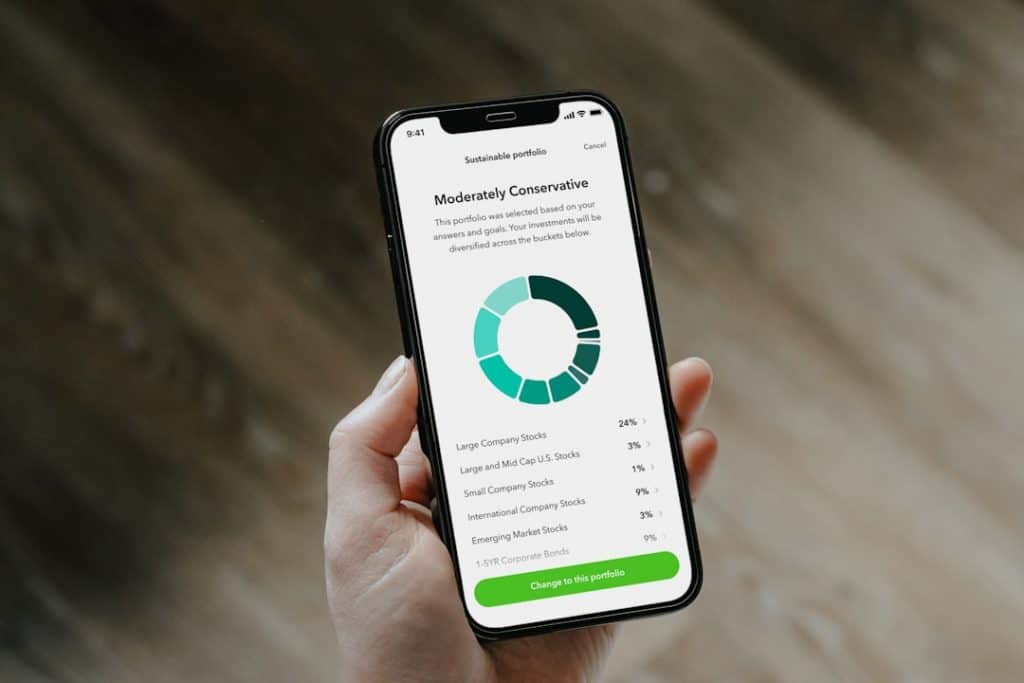
Different retirement accounts offer unique tax benefits and contribution rules that can impact your financial future.
Understanding 401(k) plans, IRAs, health savings accounts, and other options helps you choose the right mix for your goals.
401(k) and Roth 401(k) Plans
A 401(k) lets you set aside part of each paycheck before taxes are taken out.
Your contributions reduce your taxable income for the year, and many employers match what you put in up to a certain percentage.
For 2026, you can contribute up to $24,500. If you’re 50 to 59 or 64 and older, you can add $8,000 as a catch-up contribution.
Those aged 60 to 63 may qualify for a super catch-up contribution of $11,250 if their employer’s plan allows it.
A Roth 401(k) works differently. You contribute after-tax dollars, so you don’t get a tax break now.
But your money grows tax-free, and you won’t pay taxes when you withdraw in retirement after age 59½.
Key differences:
| Feature | Traditional 401(k) | Roth 401(k) |
|---|---|---|
| Contributions | Pre-tax | After-tax |
| Tax on withdrawals | Yes | No |
| Income limits | None | None |
You can only withdraw penalty-free after age 59½ with both types. Early withdrawals typically face a 10% penalty plus income taxes.
Traditional IRA vs. Roth IRA
You can open an IRA on your own without an employer. A traditional IRA lets you contribute up to $7,500 in 2026 if you’re under 50, or $8,600 if you’re 50 or older.
You may be able to deduct these contributions from your taxes if your income falls within certain limits.
For 2026, you can deduct the full amount if your modified adjusted gross income is less than $81,000 (single) or $129,000 (married filing jointly). Your ability to deduct phases out at higher income levels.
A Roth IRA uses after-tax money, so you don’t get a tax deduction now.
But your money grows tax-free, and qualified withdrawals in retirement are tax-free. You must meet the 5-year aging rule and be at least 59½ to avoid penalties.
Income limits apply to Roth IRAs. For 2026, you can make full contributions if your modified adjusted gross income is below $153,000 (single) or $242,000 (married filing jointly).
Health Savings Accounts for Retirement
A health savings account isn’t just for current medical expenses. You can use it as a retirement savings tool if you have a high-deductible health plan.
HSA contributions are pre-tax, and the money grows tax-free. When you use funds for qualified medical expenses, you don’t pay taxes on withdrawals at any age.
After 65, you can withdraw money for non-medical expenses without the 20% penalty, though you’ll owe income taxes.
A 65-year-old individual may need about $172,500 in after-tax savings to cover health care expenses in retirement.
An HSA helps you prepare for these costs while offering triple tax benefits: tax-deductible contributions, tax-free growth, and tax-free withdrawals for medical expenses.
Other Retirement Savings Accounts
403(b) plans work like 401(k)s but are offered by nonprofits and schools. You contribute pre-tax money through payroll deductions, and the same contribution limits apply.
457(b) plans are available to government and some nonprofit employees. The main advantage is penalty-free withdrawals after you leave your job, regardless of age. Amounts rolled in from other plans still follow original penalty rules.
Rollover IRAs let you consolidate old 401(k) or 403(b) accounts when you change jobs. This gives you more investment choices and simplifies management. You preserve the tax benefits you earned with your original contributions.
Pension plans are less common now but still exist. Your employer contributes and manages the money, then pays you a set amount in retirement. This provides guaranteed income for life in most cases.
Building a Diversified Investment Portfolio

A diversified investment portfolio spreads your money across different types of investments to reduce risk and maintain steady growth.
The right mix of stocks, bonds, fixed income, and annuities changes as you move through different stages of retirement planning.
Here are some investment ideas to prepare for retirement.
Balancing Stocks, Bonds, and Fixed Income
Your asset allocation determines how much risk your portfolio carries.
Stocks offer higher growth potential but come with bigger price swings. Bonds and fixed income investments provide steadier returns with less risk.
A common starting point is the 60/40 portfolio, which holds 60% stocks and 40% bonds.
This mix returned about 12% in 2024. You can adjust these percentages based on your comfort with market ups and downs.
Think about these allocation factors:
- Time until retirement – More years means you can handle more stocks
- Risk tolerance – Your ability to stay calm during market drops
- Income needs – How much money you need your portfolio to generate
Fixed income investments include Treasury bonds, corporate bonds, and bond funds.
These pay regular interest and help stabilize your portfolio when stock prices fall. You should vary the types of bonds you hold by looking at different maturity dates and credit ratings.
Incorporating Annuities
Annuities provide guaranteed income payments for a set period or for life.
You pay an insurance company a lump sum or make regular payments, and they send you monthly income later.
Fixed annuities pay a set amount each month. This makes budgeting easier since you know exactly what to expect.
Variable annuities tie payments to investment performance, giving you more growth potential but less certainty.
Annuities work best as one piece of your portfolio, not the whole thing. They offer protection against outliving your savings, which stocks and bonds alone cannot guarantee.
The tradeoff is that your money gets locked up, and fees can be high.
You might put 20-30% of your retirement savings into an annuity to cover basic expenses. Keep the rest in stocks and bonds for flexibility and growth.
Adapting Your Investment Strategy Over Time
Your investment mix should shift as you age. A 30-year-old can recover from market crashes, but a 65-year-old cannot wait years for stocks to bounce back.
Rebalancing means adjusting your portfolio back to your target percentages.
If stocks do well, they might grow from 60% to 75% of your portfolio. You would sell some stocks and buy bonds to get back to 60/40. Check your allocation at least once per year.
Age-based adjustments:
| Age Range | Typical Stock % | Typical Bond % |
|---|---|---|
| 30-40 | 80-90% | 10-20% |
| 40-50 | 70-80% | 20-30% |
| 50-60 | 60-70% | 30-40% |
| 60-70 | 40-50% | 50-60% |
Major life changes require portfolio reviews. Job loss, inheritance, or health problems all affect your investment strategy. Your financial needs and goals shift, so your portfolio should shift with them.
Maximizing Social Security Benefits

Social Security forms a vital part of retirement income for most Americans, making up about 30% of income for people 65 and older.
Your claiming decision, understanding of spousal benefits, and timing strategy all directly affect how much money you receive throughout retirement.
Deciding When to Claim Social Security
You can start claiming Social Security benefits as early as age 62, but this decision permanently reduces your monthly payment.
Your full retirement age sits between 66 and 67, depending on your birth year. This is when you receive 100% of your earned benefit.
Claiming before full retirement age reduces your monthly check.
At 62, you’ll receive about 30% less than your full benefit amount. Each month you wait increases your payment.
You need at least 10 years of work history with Social Security taxes paid to qualify.
Most people can apply while still working, though earnings limits may apply if you claim before full retirement age.
Understanding Earnings Tests and Spousal Benefits
If you claim benefits before reaching full retirement age and continue working, the earnings test reduces your payments.
In 2026, Social Security withholds $1 for every $2 you earn above $22,320 annually.
During the year you reach full retirement age, the limit increases and the withholding ratio improves until you hit your birthday month.
Spousal benefits let you claim up to 50% of your spouse’s benefit at their full retirement age.
You must be at least 62 years old and your spouse must have already filed for benefits. If you qualify for both your own benefit and a spousal benefit, you receive whichever amount is higher.
Survivor benefits work differently and can start earlier than age 62 in some cases.
Impacts of Delaying Benefits
Waiting past your full retirement age increases your benefit by 8% per year until age 70. This creates a significant difference in lifetime income for those who live into their 80s and beyond.
A person with a $2,000 monthly benefit at full retirement age would receive $2,480 at age 70. That’s an extra $5,760 per year. The break-even point typically falls around age 78 to 80.
Your higher benefit also protects your spouse through survivor benefits.
The surviving spouse receives the higher of the two benefits, making delay strategies particularly valuable for the higher earner in a couple.
Transforming Savings Into Retirement Income

The shift from building retirement savings to generating reliable income requires careful planning around withdrawal methods, tax obligations, and income sustainability.
Understanding how to efficiently access your retirement accounts while minimizing taxes and maximizing longevity of your funds determines your financial stability throughout retirement.
Withdrawal Strategies and Tax Considerations
Your withdrawal strategy directly impacts how long your retirement savings will last and how much you pay in taxes.
The 4% rule suggests withdrawing 4% of your total savings in the first year, then adjusting for inflation annually.
This approach provides a starting point but requires flexibility based on market performance and personal needs.
Tax planning becomes important when accessing retirement accounts. Traditional IRAs and 401(k)s generate taxable income upon withdrawal, while Roth accounts offer tax-free distributions.
You should think about withdrawing from taxable accounts first to allow tax-advantaged accounts more time to grow. This sequencing can reduce your overall tax burden.
Different income sources face different tax treatments. Social Security benefits may be partially taxable depending on your combined income.
Capital gains from selling investments receive preferential tax rates compared to ordinary income.
Coordinating withdrawals across multiple account types helps you stay in lower tax brackets and preserve more of your retirement income.
Managing Required Minimum Distributions
Required Minimum Distributions (RMDs) force you to withdraw specific amounts from traditional retirement accounts starting at age 73.
The IRS calculates your RMD by dividing your account balance by a life expectancy factor. Missing an RMD results in a 25% penalty on the amount you failed to withdraw.
You must take separate RMDs from each retirement plan account, though you can aggregate IRA distributions.
Planning for RMDs before they begin allows you to manage the tax impact. Some retirees start strategic withdrawals in their 60s to reduce future RMD amounts and associated taxes.
Qualified Charitable Distributions let you transfer up to $100,000 annually from your IRA directly to charity, satisfying your RMD without increasing taxable income.
Roth IRAs have no RMDs during your lifetime, making them valuable for legacy planning.
Creating Sustainable Income Streams
Building reliable retirement income requires combining multiple sources.
Social Security provides a foundation of guaranteed income that adjusts for inflation. Delaying benefits until age 70 increases your monthly payment by up to 32% compared to claiming at age 62.
Annuities offer guaranteed income streams in exchange for a lump sum payment.
Immediate annuities start payments right away, while deferred annuities begin at a future date.
Fixed annuities provide predictable amounts, whereas variable annuities fluctuate based on investment performance.
Income Source Comparison:
| Source | Predictability | Growth Potential | Tax Treatment |
|---|---|---|---|
| Social Security | High | Inflation-adjusted | Partially taxable |
| Pension | High | Fixed | Fully taxable |
| Annuities | High | Varies by type | Tax-deferred growth |
| Investment withdrawals | Variable | Market-dependent | Varies by account |
| Rental income | Moderate | Property appreciation | Taxable income |
Dividend-paying stocks and bonds generate regular income while maintaining growth potential.
Treasury bonds offer safety, while corporate bonds provide higher yields with more risk. Rental properties create monthly income but require management and maintenance.
Balancing these sources provides both stability and flexibility throughout your retirement years.
Using Professional Advice and Documentation
Getting help from experts and keeping your paperwork organized can make retirement planning much easier.
A financial advisor can guide you through complex decisions, while proper documentation ensures you have everything you need when important moments arrive.
Working With a Financial Advisor
A financial advisor helps you create a retirement plan that fits your specific needs and goals.
They look at your income, savings, and expenses to figure out how much you need to save and where to invest your money.
Financial advisors can explain complicated topics like tax-advantaged accounts, investment strategies, and Social Security benefits.
They also help you understand how much risk you should take with your investments based on your age and goals.
Some advisors charge a flat fee while others take a percentage of your assets.
Look for advisors with proper credentials like CFP (Certified Financial Planner) or CFA (Chartered Financial Analyst).
Ask about their experience with retirement planning and how they get paid. A good financial advisor will meet with you regularly to update your plan as your life changes.
Organizing Your Financial Documents
Keep all your retirement documents in one safe place where you and your family can find them.
Important papers include tax returns, investment account statements, Social Security statements, insurance policies, and pension information.
Create both physical and digital copies of key documents. Store originals in a fireproof safe or safety deposit box. Your list should include:
- Bank and investment account statements
- Property deeds and mortgage documents
- Insurance policies (life, health, long-term care)
- Wills and trust documents
- Power of attorney forms
- Beneficiary designations
Update these documents regularly, especially after major life events. Make sure someone you trust knows where to find everything.
Preparing for Life Changes in Retirement
Retirement brings big changes that require advance planning.
Health care costs often rise as you age, so review your insurance coverage and think about long-term care insurance. Update your will and estate plan to reflect your current wishes.
Think about where you want to live in retirement. Moving to a smaller home or a different state can affect your expenses and taxes.
Plan for how you will spend your time and what activities matter most to you.
Create a system for reviewing your retirement plan at least once a year. Adjust your budget and investments as needed based on changes in your health, family situation, or financial goals.
Frequently Asked Questions About Retirement
Starting retirement planning can feel overwhelming, but breaking it down into clear steps makes the process manageable.
These answers address common concerns about getting started, saving strategies, budgeting methods, and determining how much money you’ll need for your retirement years.
How do I start the retirement planning process if I’m not sure where to begin?
Start by calculating your current monthly expenses to understand your baseline spending. This gives you a clear picture of what you spend now and helps you estimate future retirement needs.
Next, check if your employer offers a retirement plan like a 401(k) with matching contributions.
If they do, enroll immediately and contribute at least enough to get the full match since this is free money added to your retirement savings.
Open an Individual Retirement Account (IRA) if you don’t have access to an employer plan or want additional savings options.
You can start with small contributions and increase them as your income grows.
Review your Social Security statement online to see your projected benefits.
Your statement shows estimated monthly payments based on your work history and helps you understand one income source you’ll have in retirement.
What should be included in a practical retirement planning checklist?
Your retirement planning checklist should start with setting a target retirement age and estimated retirement date.
This helps you determine how many years you have to save and prepare.
Calculate your expected monthly expenses in retirement, including housing, food, healthcare, insurance, and entertainment.
Most people need 70-80% of their pre-retirement income to maintain their current lifestyle.
List all your current retirement accounts and their balances, including 401(k)s, IRAs, pensions, and other investments.
Knowing what you already have saved shows you how far you’ve come and what gaps remain.
Create a debt payoff plan to eliminate mortgages, car loans, and credit card debt before retirement.
Entering retirement debt-free significantly reduces your monthly expenses and financial stress.
Review your health insurance options and understand how Medicare works. You become eligible for Medicare at age 65, but you need to plan for coverage if you retire earlier.
What is the 30/30/30/10 rule for retirement, and how do I apply it to my budget?
The 30/30/30/10 budget rule suggests allocating 30% of your retirement income to housing, 30% to daily living expenses, 30% to healthcare and insurance, and 10% to leisure and unexpected costs.
This budgeting framework helps you organize your retirement budget into manageable categories.
For housing costs, include your mortgage or rent, property taxes, homeowners insurance, utilities, and maintenance.
If this exceeds 30% of your expected retirement income, consider downsizing or relocating to a more affordable area.
Daily living expenses cover groceries, transportation, clothing, personal care, and basic household items.
Track your current spending in these categories to see if 30% of your retirement income will be sufficient.
Healthcare and insurance costs typically increase as you age, making the 30% allocation important.
This includes Medicare premiums, supplemental insurance, prescription drugs, dental care, and out-of-pocket medical expenses.
The final 10% gives you flexibility for travel, hobbies, gifts, dining out, and emergency expenses.
This portion lets you enjoy retirement while maintaining a financial cushion for unexpected costs.
What are the most common retirement planning mistakes, and how can I avoid them?
Starting too late is the biggest mistake because you lose years of compound interest growth.
Begin saving for retirement as soon as you start working, even if you can only afford small amounts initially.
Underestimating healthcare costs causes serious problems since medical expenses increase with age.
Plan for Medicare premiums, supplemental insurance, and out-of-pocket costs that can total thousands of dollars annually.
Claiming Social Security too early at age 62 permanently reduces your monthly benefit by up to 30%.
Waiting until your full retirement age or even age 70 significantly increases your lifetime benefits.
Failing to diversify investments puts your entire retirement at risk. Spread your money across different types of investments like stocks, bonds, and other assets to protect against market volatility.
Not adjusting your plan as you age leads to unrealistic expectations. Review your retirement strategy every few years and make changes based on your current financial situation and goals.
What is the best way to increase retirement savings if I’m in my 50s?
Take advantage of catch-up contributions that allow people age 50 and older to save extra money in retirement accounts.
You can contribute an additional $7,500 to your 401(k) and $1,000 to your IRA beyond the standard limits.
Maximize your employer match if you haven’t been contributing enough to get it all. This is an immediate 100% return on your money that you can’t get anywhere else.
Reduce your expenses and redirect the savings into retirement accounts. Small changes like cutting subscription services, dining out less, or downsizing your home can free up hundreds of dollars monthly.
Think about working a few extra years beyond your planned retirement date.
Each additional year you work gives you more time to save, allows your investments to grow, and delays when you need to start withdrawing money.
Pay off high-interest debt to free up more money for retirement savings. Eliminating credit card balances and other expensive debt gives you extra cash flow to invest in your future.
How much money do I need saved to retire comfortably based on my expected lifestyle and expenses?
Calculate your expected annual expenses in retirement and multiply by 25 to get a baseline savings target.
This follows the 4% withdrawal rule, which suggests you can safely withdraw 4% of your savings each year without running out of money.
For example, if you expect to spend $50,000 per year in retirement, you need approximately $1.25 million saved. If you plan to spend $80,000 annually, your target would be $2 million.
Subtract guaranteed income sources like Social Security and pensions from your annual expenses to determine how much your savings must cover.
If Social Security provides $25,000 yearly and you need $60,000 total, your savings only need to generate $35,000 annually.
Account for inflation by assuming your expenses will increase 2-3% each year. Money loses purchasing power over time, so your retirement savings must last 20-30 years or longer while costs rise.
Think about your planned lifestyle when setting your savings goal. A retirement filled with travel and expensive hobbies requires more money than a modest lifestyle focused on local activities and simple pleasures.
Final Thoughts on How to Prepare for Retirement
Whether it is how much to save for retirement, building your retirement savings up, or just writing down your retirement goals, no matter what your age you should start planning now!
You can never start retirement planning too early, just start!