

This post may contain affiliate links. Please read my disclosure for more information.
Pat Flynn who started the blog Smart Passive Income is said to make almost $1 million a year in affiliate marketing revenue.
While not every one achieves these results, there are still a ton of opportunities to earn money as an affiliate. Making even an extra $1,000 a month might change your life!
Affiliate marketing is a way to earn money online by promoting other companies’ products or services.
When someone buys through your special tracking link, you earn a commission without creating your own products or handling customer service.
The best thing about it is that you can start this business with just a website or social media account, making it one of the lowest-cost ways to generate income online.
The affiliate marketing industry reached $8.2 billion in the U.S. in 2022 and continues to grow each year. Even just a small piece of that pie might change your finances dramatically.
About 57.75% of affiliates make less than $10,000 yearly, while 16.21% earn between $10,000 and $50,000 annually.
Best of all, you don’t need special skills or a large budget to get started.
Whether you want to build a full-time affiliate marketing business or earn extra money from home on the side, the basic steps are the same.
This beginner’s guide will walk you through everything you need to know to make money as an affiliate marketer.
You’ll learn how the business model works, what kind of affiliate income you can expect, and the exact steps to choose your niche, join programs, and start promoting products that earn commissions.
What is Affiliate Marketing?

Affiliate marketing is a revenue-sharing system where you earn commissions by promoting other companies’ products.
Basically a sales commission. You get a special, unique tracking link for a product or service and if anyone clicks through your link and purchases the item, you get a percentage of that sale.
Learn how to start a blog here.
Key Players: Merchant, Affiliate, and Customer
The affiliate marketing model involves three main participants who each play a specific role.
The merchant (also called the advertiser or retailer) owns the product or service being sold.
You, the affiliate marketer, promote these products to your audience through various channels like websites, social media, or email.
The customer completes the transaction by purchasing through your unique affiliate link. When this happens, the merchant tracks the sale back to you and pays your commission.
Each player benefits from this arrangement. Merchants gain additional sales channels without upfront advertising costs.
You earn income without creating products or handling customer service.
Customers discover products through your recommendations and reviews.
Types of Affiliate Programs and Networks
You can join affiliate programs and make money online in two main ways.
Individual affiliate programs are run directly by merchants like Amazon Associates or specific software companies. You apply directly to these companies and promote their specific products.
Affiliate networks act as intermediaries that connect you with multiple merchants through one platform.
Networks like ShareASale, CJ Affiliate, and Rakuten handle tracking, reporting, and payments for many different merchants.
This lets you promote products from various companies without managing multiple separate relationships.
Programs typically fall into three categories based on commission structure:
- Pay-per-sale: You earn a percentage or fixed amount when someone buys
- Pay-per-lead: You get paid when someone signs up or submits information
- Pay-per-click: You receive payment based on traffic you send (less common)
Performance-Based Marketing Principles
Affiliate marketing works as performance-based marketing, meaning you only earn money when specific actions occur.
You don’t get paid for simply displaying ads or mentioning products.
Your unique affiliate link contains a tracking ID that monitors every click and sale. When someone clicks your link, a cookie gets stored on their device.
This cookie typically lasts 24 hours to 90 days, depending on the program. If the person buys within that timeframe, you receive credit for the sale.
The merchant only pays commissions after verified purchases or actions occur. This makes affiliate marketing low-risk for merchants since they pay for actual results, not just exposure.
For you, this means your earnings directly reflect your marketing effectiveness and the quality of traffic you generate.
The Best Online Courses to Help You Make Money Blogging:
Stupid Simple Blogging : Don’t start a blog without investing in this course on search engine optimization and Pinterest. It will teach you how to make your blog get traffic and traffic means revenue! I wasted a lot of time writing posts the wrong way before I took this course!
Making Sense of Affiliate Marketing: This course is from one of our millionaire bloggers. It teaches you everything you need to know about how to make money from affiliate marketing. Take the course today!
How Much Money Can You Make with Affiliate Marketing?

Affiliate income varies widely depending on your experience and effort. Most affiliate marketers earn between $0 and $10,000 per year when starting out.
Full-time affiliate marketers typically make $30,000 to $50,000 annually in net profit after expenses.
The amount you earn depends on several factors. Your chosen niche, traffic volume, and commission structures all play a role in your affiliate earnings.
Common Commission Types:
- Pay-per-sale (PPS): You earn when someone buys (most common)
- Pay-per-click (PPC): You earn when someone clicks your link
- Pay-per-lead (PPL): You earn when someone signs up or fills out a form
- Pay-per-install: You earn when someone downloads and installs software
- Recurring commission: You earn ongoing payments for subscriptions
Commission rates range from 1% to 50% per sale. Amazon pays 1-3% on affiliate products, while software and digital products often pay 20-50%.
Higher commissions lead to more affiliate income from less traffic.
The tracking cookie and cookie duration also affect your earnings. A tracking cookie follows visitors who click your affiliate links.
Cookie duration determines how long you get credit for a sale. Some programs offer 24-hour cookies, while others provide 30, 60, or even 90 days.
Longer cookie durations increase your chances of earning affiliate commissions because customers often research before buying.
If someone clicks your link but purchases a week later, you still earn money with a 30-day cookie but miss out with a 24-hour cookie.
So, the longer cookie duration increase your chance to make money online with a sale.
Some affiliate programs use lifetime cookies that never expire as long as the customer doesn’t click another affiliate’s link.
Your passive income grows as you create more content. Each blog post or video can generate affiliate commissions for months or years.
Some experienced marketers earn over $100,000 annually, though this requires consistent work and quality content creation.
Related reading:
How Affiliate Marketing Generates Income
Affiliate marketing creates money through commission-based partnerships where you earn a percentage or fixed amount for driving sales or actions.
Your earnings depend on the commission structure, how long tracking cookies last, and whether you build systems for ongoing revenue.
Passive Income Potential and Real-World Examples
The most ideal aspect of affiliate marketing is that it is essentially passive income. Once you do the initial work, you can continue to generate money for years to come off one link.
You create reviews, tutorials, or blog posts that continue generating affiliate commissions months or years after publication.
This means you earn money while you sleep as visitors click your affiliate links and make purchases.
Your affiliate earnings grow when you focus on evergreen content. A product review written today can bring in affiliate income for years if it ranks well in search results.
Some affiliates earn $500 to $5,000 monthly from a single well-ranking blog post about popular affiliate products.
Of course, real earnings vary widely based on your traffic and niche.
About 57.75% of affiliates make less than $10,000 yearly, while 16.21% earn between $10,000 and $50,000 annually.
The top 3.7% of affiliate marketers earn over $150,000 per year. But even if you are just making $5,000 a year, that an extra $5,000!!
Digital products often pay higher commissions (up to 50%) compared to physical products (typically 1% to 10%).
Commission Structures and Payment Models
You get paid through different commission structures in affiliate marketing as we previously mentioned.
Pay-per-sale (PPS) is the most common model where you earn a percentage or fixed amount when someone buys through your link.
For example, Amazon’s program pays 1% to 10% depending on product categories. It doesn’t pay a huge percentage, but most people buy a lot from Amazon.
And if they get their through your link anything they buy you can get a commission from.
Pay-per-click (PPC) pays you for each click on your affiliate link, regardless of sales. This model might pay $0.20 to $0.50 per click but is less common because merchants take more risk.
Pay-per-lead (PPL) compensates you when someone completes an action like filling out a form or starting a free trial. PPL payments typically range from $5 to $50 per qualified lead. Insurance and software companies often use this model.
Some programs offer recurring commissions where you earn monthly payments as long as the customer stays subscribed.
Web hosting and software services frequently provide this structure, creating long-term affiliate income streams.
How to Start Affiliate Marketing for Beginners

Starting affiliate marketing is pretty easy. It just requires a few key steps to get set up. You don’t need a large budget or technical expertise to begin.
You will however need to work on building traffic in order to generate revenue.
1. Select a Platform or Channel
You need a place to share your content and affiliate links. Your options include:
- A blog or website
- YouTube channel
- Social media accounts
- Email newsletter
2. Choose a Niche
Pick a specific topic area that interests you and has profit potential. Your niche should be something you can create content about regularly.
Look for affiliate marketing niches that have available programs and products to promote.
3. Create Valuable Content
Focus on producing evergreen content that stays relevant over time. Your content should help your audience solve problems or answer questions.
Create valuable content that genuinely assists people rather than just pushing products.
4. Build Your Audience
Growing your reach takes time and consistency. Post regularly and engage with people who interact with your content. You should also build an email list to communicate directly with interested followers.
5. Join Affiliate Programs
Apply to programs that match your niche and audience. You can actually do this at the same time as step 3 and 4.
Look for merchants with good commission rates and reliable payment terms. Start with a few programs before expanding.
6. Add Affiliate Links
Include your unique affiliate links naturally within your affiliate content. Place them where they make sense and add value to your readers.
Track which links perform best so you can refine your approach over time.
The key is to start small and learn as you go. You’ll improve your skills and results with practice.
Easy Click Start

Get a free domain name!
Click below to start your blog the easy way by signing up with Blue Host and get your blog domain for free. Blue Host will take you step-by-step through the set-up.
Choosing a Profitable Niche and Building Your Audience
Success in affiliate marketing starts with picking the right niche and growing an audience that trusts your recommendations.
Your niche choice affects everything from your content strategy to your earning potential, while a loyal audience turns clicks into consistent income.
Choosing High-Demand Affiliate Marketing Niches
Your first step is finding affiliate marketing niches that match your knowledge with actual buyer demand.
Look for niches where people actively search for solutions and spend money on products.
Strong niches combine three elements: consistent demand throughout the year, real purchasing intent, and manageable competition.
Personal finance, technology, health and wellness, and pet care all meet these criteria. Each of these areas has buyers who regularly purchase products and trust expert recommendations.
You can narrow broad niches into sub-niches to stand out. Instead of “fitness,” you might focus on home workout equipment for small apartments. Instead of “technology,” you could specialize in productivity software for freelancers.
Test your niche idea by checking search volumes and existing affiliate programs.
If companies offer affiliate partnerships in your chosen area and people search for related products, you have a viable niche.
Building Trust and Authority With Your Audience
You need to build an audience that sees you as a reliable source before they’ll buy through your links. Start by creating valuable content that solves real problems in your niche.
Share honest product reviews that highlight both benefits and drawbacks.
Your audience will trust you more when you’re transparent about product limitations. Show your personal experience with products when possible.
Engage with your audience through comments, emails, and social media responses. Answer questions and provide helpful advice even when it doesn’t directly promote a product.
Pick affiliate products that genuinely help your audience. Promoting low-quality items for higher commissions damages your reputation and hurts long-term earnings.
Your authority grows when people see that your recommendations actually work.
Using Evergreen Content and Email Lists
Evergreen content stays relevant for months or years, bringing you traffic and affiliate income long after you publish it.
Create guides, tutorials, and comparison articles that answer questions people will always have.
A buying guide for running shoes stays useful because new runners constantly search for this information. Software comparison posts remain valuable as long as those tools exist.
Build an email list to connect directly with your audience. Email subscribers are more valuable than social media followers because you own the relationship.
You can send product recommendations, helpful tips, and affiliate content without algorithm changes affecting your reach.
Offer a free resource like a checklist, guide, or template in exchange for email addresses. Send regular emails that mix helpful information with occasional product promotions.
Your open rates and click-through rates will stay higher when you focus on providing value first.
Finding the Best Affiliate Programs
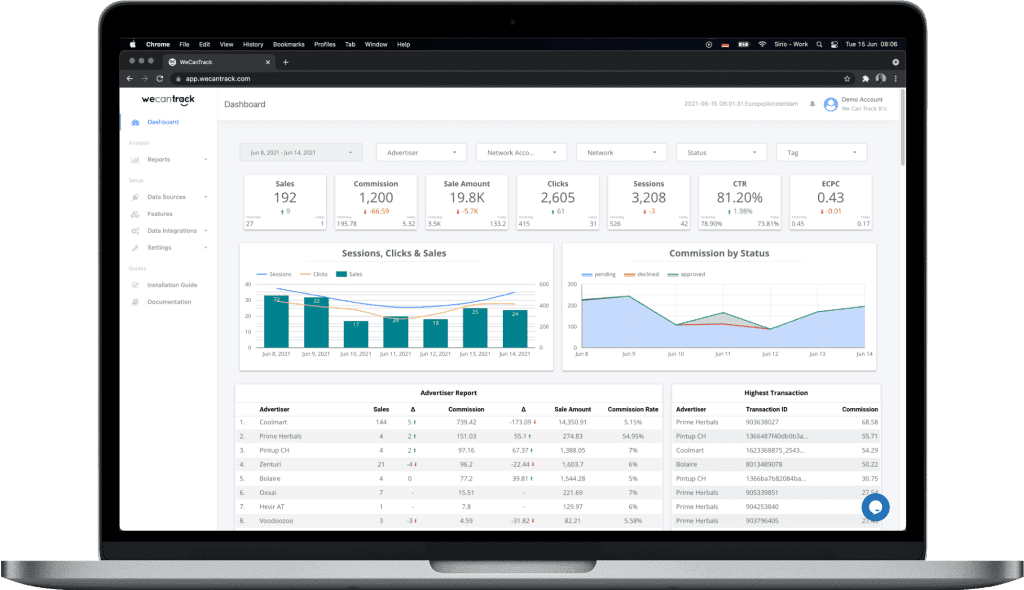
If you want to join the right affiliate programs you should research commission structures, payment terms, and platform reliability.
The best affiliate programs match your audience’s interests while offering fair compensation and dependable payouts.
How to Find Top Affiliate Programs and Networks
Start by searching for affiliate programs in your niche using search engines or browsing affiliate networks.
Major affiliate networks like ShareASale, CJ Affiliate, Impact, Awin, and ClickBank host thousands of programs across different industries.
These networks let you browse multiple programs in one place and manage all your partnerships through a single dashboard.
You can also find affiliate programs by visiting websites of products you already use or recommend.
Look for “affiliate program” or “partner program” links in the footer. Many companies run their own programs outside of networks, like Shopify Affiliate and eBay Partner Network.
Join affiliate marketing communities and forums to get recommendations from experienced marketers.
Other affiliates often share which programs pay reliably and which ones to avoid. Industry blogs and comparison articles also highlight top-performing programs with proven track records.
Review Commission Rates and Payout Thresholds
Commission rates vary widely between programs. Some programs pay 1-4% per sale, while others offer 30-70% or more.
Amazon Associates pays 1-10% depending on product category. Software and digital product programs typically pay higher rates than physical products.
Check the minimum payout threshold before you join any affiliate program. This is the amount you must earn before receiving payment.
Common thresholds range from $10 to $200. Amazon Associates requires $10 for direct deposit or Amazon gift cards, but $100 for checks.
Review the payment schedule to understand when you’ll receive earnings. Most programs pay monthly, but some have delays of 30-90 days after the sale month.
Payment methods include PayPal, direct deposit, wire transfer, and checks. Choose programs that offer your preferred payment option.
Popular Affiliate Platforms
Amazon Associates is the largest affiliate program with millions of products available. The cookie duration is only 24 hours, but items added to carts remain trackable for about 90 days. You earn 1-10% commission based on product categories.
ShareASale and CJ Affiliate are established affiliate networks with thousands of merchant programs. Both platforms provide reporting tools, regular payments, and access to brands across multiple industries. Cookie durations vary by individual merchant.
ClickBank specializes in digital products and information products with high commission rates of 50-75%.
Impact powers affiliate programs for major brands and offers flexible payment options.
Shopify Collabs connects creators with Shopify merchants for product collaborations and affiliate partnerships.
Each platform has different strengths. Test multiple programs to see which ones convert best with your audience and fit your content strategy.
Promoting Affiliate Products Effectively

Success in affiliate marketing depends on how well you promote products to your audience as well as getting a lot of traffic to your blog or social media channels.
The key is creating content that drives clicks and conversions, placing your unique affiliate link strategically, and using multiple platforms to reach more potential buyers.
Creating High-Converting Affiliate Content
Your content needs to solve problems and build trust before promoting affiliate products.
Write honest reviews that cover both strengths and weaknesses of products you recommend.
Include real examples of how you use the product and specific results you’ve achieved.
Focus on content types that naturally lead to purchases. Product comparisons help readers make decisions between similar options.
Tutorial content shows people how to use products while demonstrating their value.
A resource page on your site can list your top recommended tools in one place, making it easy for readers to find what they need.
Use clear calls to action that tell readers exactly what to do next.
Instead of vague phrases, write specific instructions like “Click here to get 20% off” or “Start your free trial today.”
Break up long content with subheadings, bullet points, and images to make it scannable.
Address common objections before readers think of them. If a product costs more than competitors, explain why the extra features justify the price.
If setup seems complicated, walk through each step to show it’s manageable.
Strategic Use of Affiliate Links and Tracking
Place your affiliate link where readers are most likely to click. Put links early in your content for readers who already know they want to buy.
Add links throughout longer articles so readers don’t have to scroll back to find them.
Best Link Placement Locations:
- Within the first paragraph for product reviews
- After demonstrating a problem the product solves
- In comparison tables next to product names
- At the end of tutorial steps
- Inside resource lists and recommendation sections
Use tracking parameters with your unique affiliate link to monitor which content drives the most conversions.
Most affiliate programs provide built-in analytics that show clicks, sales, and earnings per link. Test different anchor text and link formats to see what your audience responds to best.
Don’t hide that you’re using affiliate links. Add a brief disclosure statement explaining you earn commissions on purchases. This builds trust and meets legal requirements in most countries.
Monetizing Multiple Platforms: Blog, YouTube, and Social Media
Each platform offers different ways to monetize your content through affiliate marketing. Using all the available channels will just increase how much money you make!
Your blog allows detailed product reviews and SEO-optimized articles that attract people searching for solutions.
YouTube affiliate marketing works well for product demonstrations, unboxing videos, and comparison content where viewers can see products in action.
Social media platforms have different rules for affiliate links. Instagram requires links in your bio or Stories if you have enough followers.
TikTok allows links in your bio and some creator partnerships include special linking features. Pinterest lets you add affiliate links directly to pins, making it strong for product discovery.
Platform-Specific Affiliate Marketing Strategies:
| Platform | Best Content Type | Link Placement |
|---|---|---|
| Blog | Long-form reviews, tutorials | Throughout content, resource pages |
| YouTube | Product demos, comparisons | Video description, pinned comments |
| Product photos, quick tips | Bio link, Stories (10k+ followers) | |
| TikTok | Short product showcases | Bio link, video captions |
| Product images, infographics | Direct pin links |
Repurpose your content across platforms to maximize reach.
Turn a blog post into a YouTube video, then create short clips for social media. Link all platforms together so followers on one can find your content on others.
This cross-promotion helps you build a larger audience and gives you more opportunities to share affiliate products naturally.
Compliance, Legitimacy, and Success Factors
Affiliate marketing is a legitimate business model, but success requires following specific legal requirements and building trust with your audience.
Understanding FTC disclosure rules and avoiding common mistakes separates profitable affiliate marketers from those who fail or face penalties.
Is Affiliate Marketing Legitimate?
Affiliate marketing is a real and legal way to earn money online. You promote products or services and receive affiliate commissions when people make purchases through your unique tracking links.
Major companies like Amazon, Target, and Shopware run affiliate programs that pay millions in affiliate earnings each year.
The business model is straightforward. Companies get customers without upfront advertising costs, and you get paid for successful referrals.
However, the legitimacy of affiliate marketing depends on how you practice it. Promoting products you don’t believe in or using deceptive tactics will damage your reputation and could lead to legal issues.
Your audience can tell when you’re only chasing affiliate income instead of providing genuine value.
Success requires treating affiliate marketing as a real business.
This means selecting products that align with your audience’s needs, being transparent about your partnerships, and following all applicable laws and regulations.
Disclosure, Ethics, and FTC Requirements
The Federal Trade Commission requires you to disclose your affiliate relationships clearly. This isn’t optional—it’s a legal requirement that protects consumers from hidden advertising.
Your FTC disclosure must be clear and conspicuous. Place it where people will actually see it, not buried in fine print or hidden in hashtags.
For blog posts, put the disclosure at the top of your content. For videos, include both a verbal mention at the beginning and a written statement in the description.
Effective disclosure examples:
- “I earn commissions from purchases made through these links”
- “This post contains affiliate links at no extra cost to you”
- “#Ad #Affiliate” (for social media, but also include it in captions)
Avoid vague phrases like “Thanks to [Brand]” that don’t clearly explain your financial relationship. The disclosure should appear before affiliate links, not after.
Different platforms require different approaches. Instagram and TikTok disclosures need to appear in captions, not just hashtags.
YouTube requires disclosures in both video content and descriptions. Email marketing should include disclosures in each message containing affiliate links.
Long-Term Success Strategies and Common Pitfalls
Building sustainable affiliate income requires patience and strategic planning.
Most people who take an affiliate marketing course expect instant results, but successful affiliates typically spend months creating content and building trust before seeing significant earnings.
Key strategies that work:
- Focus on one niche where you have genuine knowledge or interest
- Create valuable content that helps people make informed decisions
- Build an email list to maintain direct contact with your audience
- Test both paid traffic and search engine optimization to find what works for your niche
- Track which affiliate marketing strategies produce the best results
Search engine optimization provides free, long-term traffic but takes time to build.
Paid traffic delivers faster results but requires upfront investment and testing. Most successful affiliates use both methods.
Common pitfalls to avoid:
- Promoting too many products without testing them
- Choosing affiliate programs based only on commission rates
- Ignoring analytics and not tracking what drives conversions
- Failing to diversify traffic sources or affiliate programs
- Neglecting compliance requirements and proper disclosures
Your affiliate marketing tips should come from real experience, not just theory. Test products before recommending them.
Share honest opinions, including limitations. This builds credibility that translates into higher conversion rates and repeat visitors who trust your recommendations.
Frequently Asked Questions
Starting with affiliate marketing brings up many practical questions about costs, methods, and realistic earnings.
The answers below cover everything from getting started without spending money to promoting products through different platforms and maximizing your commission potential.
How can beginners start affiliate marketing step by step?
You need to pick a specific topic area that you know about or want to learn. Choose something narrower than a broad category.
For example, instead of “fitness,” focus on “home workout equipment for small apartments.”
Next, decide where you’ll share your content. A website works well because you can use search engine optimization to get steady traffic over time.
YouTube and social media platforms are other options depending on what fits your skills.
Find companies that offer affiliate programs in your chosen area. You can search Google for “[your topic] + affiliate program” to find options.
Many companies list their programs on their websites, usually in the footer.
Create helpful content that solves real problems for your audience. Write detailed reviews of products you’ve actually used. Answer common questions people have in your topic area.
Add your unique affiliate links naturally within your content. Put them where they make sense based on what you’re discussing.
Drive people to your content through search engines, email lists, or paid ads. Search engine traffic takes time to build but costs nothing except your effort.
Can you start affiliate marketing with no money, and what are the best free methods?
You can start affiliate marketing without spending money upfront. All you need is a free platform to share your content and affiliate programs that don’t charge signup fees.
Use free platforms like Medium, YouTube, TikTok, or Instagram to post your content. These platforms already have built-in audiences you can reach. You can also start a free blog on WordPress.com or Blogger.
Join free affiliate programs like Amazon Associates, which accepts most applicants and offers products in almost every category. Many software companies also run free affiliate programs with good commission rates.
Focus on search engine optimization for your free blog or website. Learn the basics through free resources and apply them to your content. This brings organic traffic without ad costs.
Build an email list using free tools like Mailchimp’s free tier. Collect email addresses from your audience and send them updates about new content and product recommendations.
Create content on social media platforms and include affiliate links in your bio or posts where allowed. TikTok and Instagram let you share product recommendations through short videos.
The main cost is your time. You’ll need to spend hours creating content, learning about your topic, and building an audience before seeing significant income.
What are practical ways to earn $100 per day with affiliate marketing?
Earning $100 per day requires either high traffic to low-paying offers or modest traffic to high-paying offers. The math is straightforward once you understand your conversion rates.
If you promote products that pay $50 per sale, you need two sales per day. If you convert 2% of your visitors and each visitor has a 50% chance of clicking your link, you need about 400 visitors daily.
Target keywords that show buying intent. People searching “best running shoes for flat feet” are closer to buying than those searching “what are running shoes.” Focus your content on these buying-focused searches.
Join higher-paying affiliate programs in business software, web hosting, or financial products. These often pay $50 to $200+ per sale compared to Amazon’s typical $1 to $3 per item.
Build multiple income streams across different affiliate programs. Don’t rely on one product or company. Promote 5-10 different products that your audience actually needs.
Create email sequences that promote your best affiliate offers. Once someone joins your list, send them a series of helpful emails that include your affiliate recommendations.
Scale what works by analyzing which content drives the most sales. Create more content around those topics and products.
Double down on the affiliate programs that convert best for your audience.
What are the Best Affiliate Marketing Programs
Amazon Associates works for almost any niche because they sell everything. You earn up to 10% commission and get credit for anything the customer buys within 24 hours, not just your recommended product.
ClickBank focuses on digital products like courses and ebooks. Commission rates often hit 50% or higher because there are no manufacturing costs. The products can be lower quality though, so review them carefully.
CJ Affiliate (Commission Junction) partners with major brands like GoPro, Home Depot, and Priceline. The platform is more complex but offers access to well-known companies with proven products.
Awin includes many international brands. They’re particularly strong in fashion, travel, and retail categories.
Individual company programs often pay better than networks. Companies like Bluehost, ConvertKit, and HubSpot run their own affiliate programs with high commissions because they want to control the relationship directly.
Software affiliate programs typically offer recurring commissions. You earn money every month the customer stays subscribed, not just on the initial sale.
How do you do affiliate marketing from a phone effectively?
You can manage most affiliate marketing tasks from your phone using the right apps. Instagram, TikTok, and YouTube all have full-featured mobile apps for creating and posting content.
Write short-form content directly on your phone. Medium and LinkedIn both have mobile apps that work well for typing articles. Use voice-to-text features to write faster.
Create videos using your phone’s camera. TikTok and Instagram Reels are designed for phone-shot vertical videos. You don’t need expensive equipment to make content that performs well.
Track your affiliate earnings through mobile apps or browser versions of your affiliate dashboards. Most major programs like Amazon Associates have mobile-friendly interfaces.
Respond to comments and messages from your phone to keep your audience engaged. Quick responses help build relationships with your followers.
The main limitation is that detailed SEO work and website building are harder on a phone.
You’ll probably want a computer for setting up your initial website, doing keyword research, and analyzing detailed performance metrics.
How can you promote affiliate offers without showing your face?
Screen recording videos work well for software and digital product reviews. You can show the product in action while explaining features through voiceover narration.
Create text-based content like blog posts, articles, and reviews. Your writing speaks for you without any need for photos or videos of yourself.
Use stock photos, product images, or graphics in your social media posts. Pair these with helpful captions that include your affiliate links.
Animation and whiteboard videos let you explain concepts visually without appearing on camera. Tools like Canva and Doodly help create these types of videos.
Podcast hosting lets you share your voice without your face. You can discuss products and include affiliate.
Final Thoughts on Affiliate Marketing Online Income
Affiliate marketing is a fantastic way to make money online. It doesn’t require a lot of up-front investment and has incredible earning potential.
It is absolutely worth giving it a shot, so get started today!